
Long-Tail Keywords for SEO: Boost Your Traffic & Rankings Today. Unlock the power of Long-Tail Keywords for SEO! Discover how to boost your traffic & rankings today with tips that are easy to follow.
<<<<< Buy Now from Official offer >>>>>
What are Long-Tail Keywords?
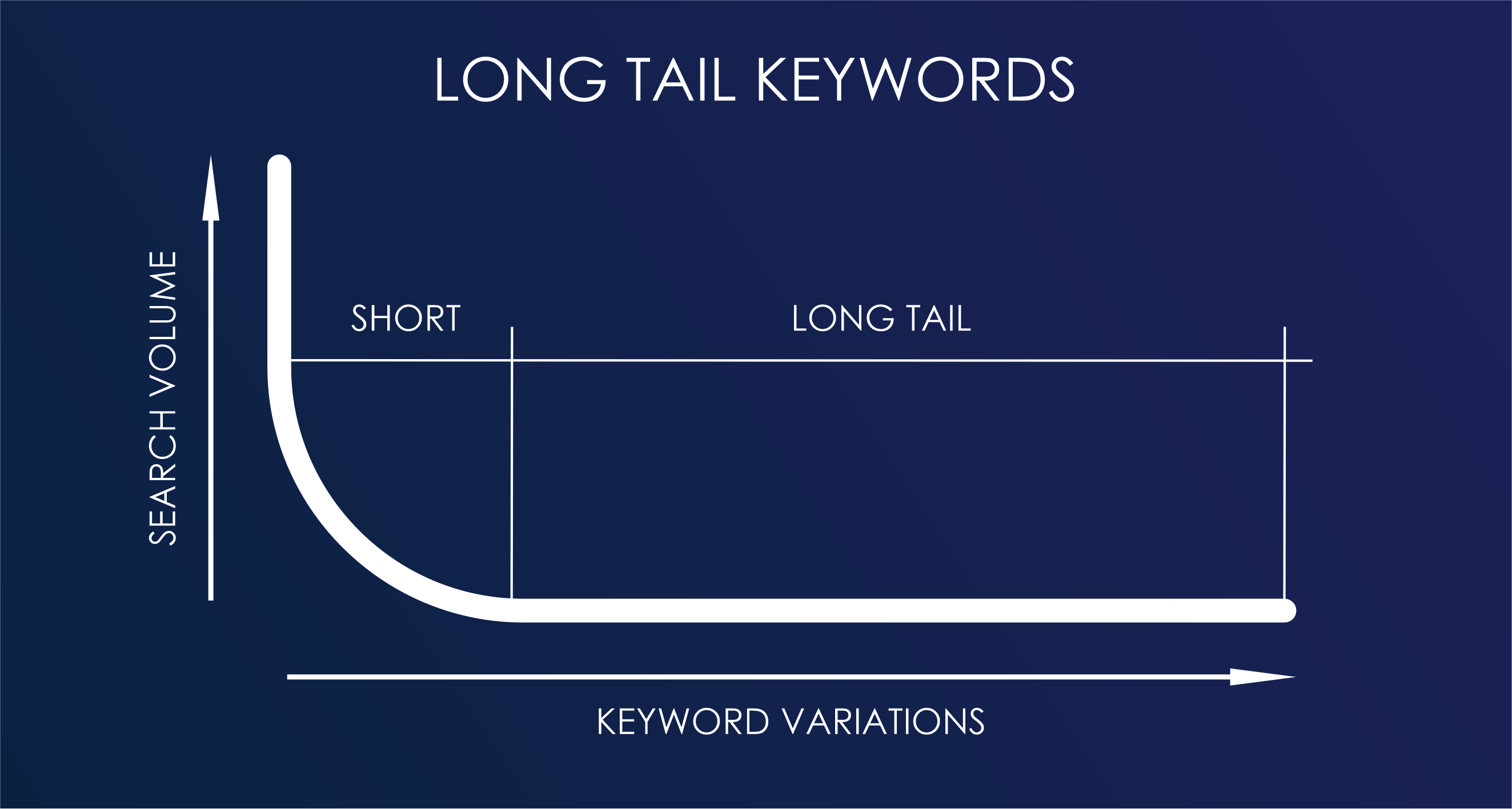
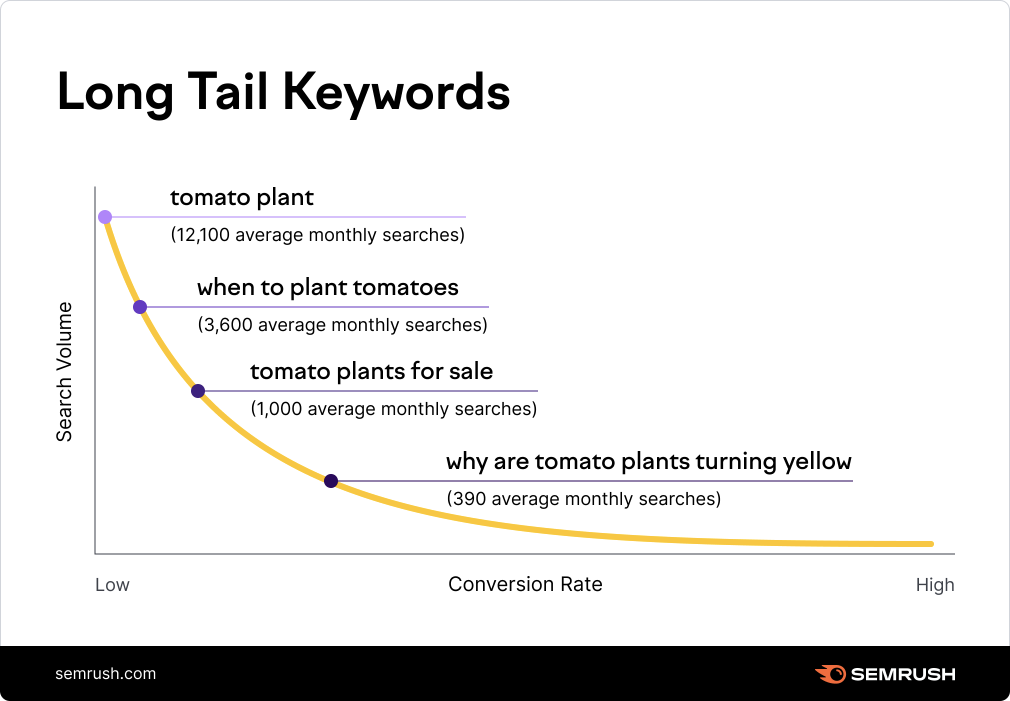
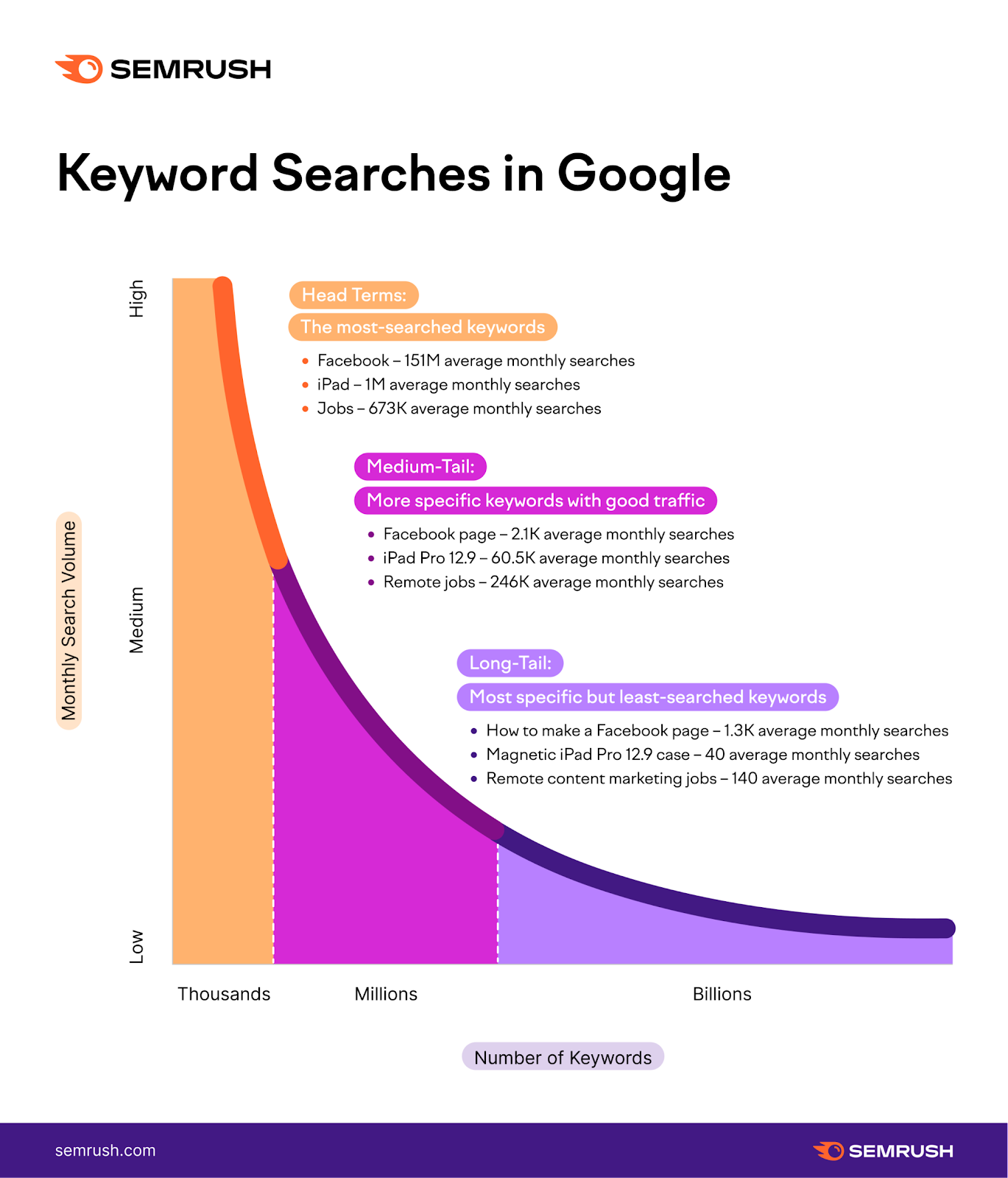
Long-tail keywords for SEO are phrases that consist of three or more words. They target more specific searches. For instance, instead of using “shoes,” a long-tail keyword would be “best running shoes for flat feet.” These keywords typically have lower search volumes but higher conversion rates. This means that users searching for these terms are often looking for something specific. This specificity leads to better engagement & a higher likelihood of conversion.
Long-tail keywords help websites rank better in search engines. They face less competition compared to short keywords. This gives an edge to websites that focus on long-tail strategies. And another thing, they help businesses connect with audiences more effectively. By focusing on user intent, these keywords align with what users are really searching for.
My experience using long-tail keywords for SEO has been positive. I noticed a significant traffic boost when I shifted my focus from short, competitive keywords to more specific phrases. This simple change made it easier for my content to rank higher, attracting more engaged readers.
Why Long-Tail Keywords Matter for SEO
Long-tail keywords play a vital role in any SEO strategy. They cater to specific queries that users enter into search engines. By using these keywords, businesses can better meet user needs. Long-tail keywords often lead to better user experiences. They provide more relevant content that meets searcher intent.
Another benefit is lower competition. Because fewer websites target long-tail keywords, it is easier to rank. Higher rankings mean increased visibility. Enhanced visibility drives more traffic to your site. Therefore, focusing on long-tail keywords results in improved rankings & higher traffic.
On top of that, long-tail keywords contribute to better conversion rates. When users find exactly what they are looking for, they are more likely to make a purchase or engage with the brand. Businesses that prioritize long-tail keywords for SEO get more qualified leads. This leads to better return on investment (ROI) in the long run.
Identifying Long-Tail Keywords
Finding suitable long-tail keywords is essential for driving traffic. There are several tools & methods for identifying these keywords.
- Use Google Autocomplete: Start typing your main keyword in Google. The suggested phrases can provide great options.
- Use question-based keywords: Think about common questions your audience may ask. Tools like Answer the Public can help.
- Analyze competitors: Look at the keywords your competitors rank for. This helps to identify opportunities for long-tail keywords.
- Google Keyword Planner: This tool helps you find long-tail keyword phrases along with their search volumes.
Once you identify potential long-tail keywords, analyze their search volume & competition. Look for keywords that have decent search volume but low competition. This can provide a clear path for effective SEO strategies. Keyword research will allow your website to attract relevant traffic.
How to Use Long-Tail Keywords in Your Content
When using long-tail keywords, context is key. Start by incorporating them naturally into your content. Focus on the flow of your writing. Avoid keyword stuffing, which can harm your rankings. The main goal is to provide value to your readers while using keywords.
In addition to body text, place long-tail keywords in key areas. These areas include:
- Title tags
- Meta descriptions
- Header tags
- Image alt text
Using these keywords in multiple locations helps search engines understand your content better. It also reinforces the relevance of your content. Therefore, ensure long-tail keywords align with the subject of your article.
Measuring Success with Long-Tail Keywords
To determine the effectiveness of your long-tail keywords for SEO, track relevant metrics. Key performance indicators (KPIs) provide valuable insights. Metrics to track include:
- Organic traffic: Use tools like Google Analytics to monitor traffic changes.
- Conversion rates: Measure how many visitors perform desired actions.
- Bounce rates: Analyze how many visitors leave without engaging.
- Keyword rankings: Regularly check where your keywords rank.
By monitoring these metrics, you can adjust your strategies. If your long-tail keywords lead to increased traffic, focus even more on them. If they do not perform well, analyze why. This evaluation leads to improvements in your content strategy.
Common Mistakes with Long-Tail Keywords
While long-tail keywords can boost traffic & rankings, common mistakes can hinder success.
- Neglecting user intent: Always ensure your content matches the intent behind the keyword.
- Ignoring competition: Evaluate how competitive a keyword is before targeting it.
- Focusing only on traffic: Remember that engagement matters too. Prioritize quality content.
- Failing to optimize older content: Update your old posts to include long-tail keywords.
Avoiding these mistakes can improve your website’s performance. Each strategy helps maintain proper focus on user needs & expectations.
Examples of Effective Long-Tail Keywords
Examples of effective long-tail keywords can guide your strategy. Here are some examples that showcase their specificity:
| Keyword | Context |
|---|---|
| best organic skincare products for sensitive skin | Targets individuals looking for specific skincare options. |
| affordable vegan restaurants in San Francisco | Appeals to budget-conscious vegans in a specific location. |
| how to train a puppy to sit quickly | For dog owners seeking quick training tips. |
| best hiking trails for beginners in Colorado | Attracts novice hikers looking for specific information. |
Using examples helps clarify long-tail keyword effectiveness. The more targeted your keywords, the better your chances for success.
Long-Tail Keywords & Voice Search
Voice search has changed the way users search online. Long-tail keywords align well with the way people speak. Most voice queries consist of complete questions or phrases. This results in a significant advantage for long-tail keywords for SEO.
When optimizing for voice search, consider these strategies:
- Focus on conversational phrases: Use natural language in your content.
- Answer questions: Include question-&-answer formats in your content.
- Utilize local keywords: Many voice searches have local intent. Incorporate local terms.
As voice search continues to rise, adapting your strategy becomes crucial. Catering to this format can enhance your reach & engagement.
Long-Tail Keywords in Social Media Marketing
Long-tail keywords for SEO are also vital in social media marketing. They assist in creating targeted content for specific audiences. This focus can improve engagement rates across platforms. Consider using long-tail keywords in posts, hashtags, & descriptions.
Choose social media platforms that align with your target audience. This ensures your long-tail keywords resonate well. For instance, use image-based posts for platforms like Instagram. Use blog posts & articles for Facebook or LinkedIn.
Incorporating desired keywords into social media content boosts visibility. It also attracts a more focused audience. When used correctly, it enhances engagement with your brand. This can lead to increased traffic directed to your website.
Conclusion on Long-Tail Keywords
Adopting a long-tail keyword strategy can positively impact SEO. They help drive targeted traffic while improving conversion rates. By carefully researching & integrating these keywords, you open up new opportunities. Start by applying these strategies today to see improvements in your traffic & rankings.
<<<<< Buy Now from Official offer >>>>>

Features of Squirrly SEO
Squirrly SEO offers a wide array of features to enhance your SEO efforts. Users gain lifetime access, which ensures that all future business plan updates are included. If there are any changes to the plan name, the deal will be seamlessly mapped to the new plan name, along with all respective updates. Users must redeem their codes within 60 days of purchase.
Another significant benefit is the ability to stack up to 10 codes, allowing users to maximize their purchasing potential. This product is GDPR compliant, promoting data security & privacy. It caters to both new users & returning customers from AppSumo As well as.
For previous AppSumo As well as customers who purchased Squirrly SEO, there is an option to buy additional codes to increase their limits. Those who were previous AppSumo customers will be grandfathered into any new features & feature limits, ensuring ongoing support & enhancements.
The platform includes a top-ranking pages leaderboard, allowing users to see where they stand compared to competitors. And another thing, it provides unlimited page content marketing analytics & unlimited content optimizations supported by an SEO live assistant.
Key Features of Squirrly SEO
- Unlimited Google rank checks through Google Search Console.
- Pro SEO live assistant for real-time optimization.
- Access to copyright-free images to enhance content.
- Blogging assistant & comprehensive blogging audit tools.
- Pro audit suite version for in-depth SEO evaluations.
- On-demand SEO audits to keep strategies fresh.
- Business SERP checker for performance tracking.
- Identification of keywords you can rank for.
Challenges of Squirrly SEO
While Squirrly SEO offers numerous advantages, users may encounter some challenges. One common issue relates to limitations in specific features. Although the platform boasts robust tools, some users might find certain advanced functionalities lacking.
Another challenge can stem from compatibility concerns. Users migrating from other SEO tools may face difficulties adapting to the Squirrly interface. On top of that, integrating Squirrly SEO with existing website structures can pose problems, especially for those using outdated plugins.
And another thing, there is a learning curve associated with using Squirrly SEO effectively. Reports suggest that new users often require time & resources to fully grasp all aspects of the platform. Be that as it may, utilizing available tutorials & community support can help ease this transition.
User Feedback on Challenges
- Limited features compared to competitors.
- Compatibility challenges with different plugins.
- Time required to learn the interface.
- Integration issues with existing setups.
Price of Squirrly SEO
Squirrly SEO is available at competitive pricing, ensuring all users can access its powerful features. The plans include:
| Plan Type | Price |
|---|---|
| Single | $99 |
| Double | $198 |
| Multiple | $297 |
Each subscription option offers unique benefits, allowing users to choose according to their needs & budget. All plans come with access to the core features that make Squirrly SEO a strong contender in the SEO tools market.
Limitations of Squirrly SEO
Despite its many strengths, Squirrly SEO has limitations worth noting. Some users highlight that certain features may not match what is available in competing products. These can include less customizable reporting & limited tools for backlink analysis.
User experience can also be a point of contention. Reports of a cluttered interface exist, impacting ease of navigation. Users accustomed to different layouts may find transitioning challenging, leading to confusion early in their usage.
And don’t forget, the support options may not always meet user expectations. Although many resources are generally available, quicker response times & more detailed assistance would enhance the overall experience significantly.
Possible Areas for Improvement
- Expand customization options for reports.
- Improve interface design to reduce clutter.
- Enhance customer support accessibility & response times.
- Strengthen backlink analysis tools.
Case Studies
Real-world examples demonstrate how Squirrly SEO has transformed websites & enhanced their SEO strategies. One user, operating a small e-commerce store, utilized Squirrly’s live assistant to optimize product descriptions. As a result, organic traffic increased by 50% within three months.
Another case involved a blog focusing on travel tips. The owner reported a notable improvement in search rankings after employing the keyword identification feature. Through targeted long-tail keywords, site visitors increased, leading to higher engagement & retention rates.
These examples serve as motivation for others to explore the potential of Squirrly SEO. Timely adjustments based on data insights allowed users to adapt strategies proactively & achieve considerable growth online.
Success Stories
- E-commerce site increased traffic by 50%.
- Travel blog improved rankings using long-tail keywords.
- Local business gained 30% more leads through optimized content.
- Health niche website expanded email list via Squirrly tools.
Recommendations for Squirrly SEO
To maximize the benefits of Squirrly SEO, users can implement several strategies. Firstly, fully utilize the live assistant feature for real-time tips during content creation. This will help in optimizing posts for search engines, enhancing visibility.
And another thing, consistently check the rankings of specific keywords using the rank-check feature. Monitoring these results closely enables timely adjustments to content strategies, ensuring a competitive edge.
And don’t forget, leveraging the blogging assistant can streamline content generation. Using the insights provided helps maintain quality while adhering to SEO best practices. Regular audits can also ensure that no outdated practices are hindering a website’s performance.
Strategies for Optimal Use
- Utilize live SEO assistant during content creation.
- Monitor keyword rankings regularly.
- Leverage insights from the blogging assistant.
- Conduct frequent audits to maintain optimal performance.
- Engage with community support for troubleshooting.
What are long-tail keywords?
Long-tail keywords are specific phrases typically consisting of three or more words that target a niche audience. They are less competitive than shorter, more generic keywords.
Why are long-tail keywords important for SEO?
Long-tail keywords are important for SEO because they often have lower competition & higher conversion rates. They help attract users who are further along in the buying process.
How do I find long-tail keywords for my website?
You can find long-tail keywords using tools like Google Keyword Planner, Ubersuggest, or AnswerThePublic. Analyzing competitors & utilizing search suggestions can also help identify relevant terms.
Can long-tail keywords improve my website’s rankings?
Yes, optimizing your content with long-tail keywords can improve your website’s rankings. They allow you to target specific queries that potential customers may use.
How many long-tail keywords should I use in my content?
There’s no strict rule on the number of long-tail keywords to use. Focus on incorporating them naturally within your content to enhance readability & relevance rather than just aiming for a specific number.
Should I prioritize long-tail keywords over short-tail keywords?
While both have their place, prioritizing long-tail keywords can lead to better-targeted traffic & higher conversion rates. Short-tail keywords tend to be more competitive & less specific.
How can I incorporate long-tail keywords into my content?
You can incorporate long-tail keywords into your content by including them in titles, headers, meta descriptions, & throughout the body text in a natural way.
What types of content work best for long-tail keywords?
Blog posts, landing pages, & guides are effective for long-tail keywords. These formats allow for detailed information that can satisfy specific search queries.
Are long-tail keywords beneficial for local SEO?
Yes, long-tail keywords can be especially beneficial for local SEO. They can help businesses attract customers looking for specific services or products in their area.
How do I measure the success of my long-tail keyword strategy?
You can measure the success by tracking metrics such as organic traffic, ranking positions, & conversion rates. Tools like Google Analytics can help analyze these metrics effectively.
Can long-tail keywords help with voice search optimization?
Yes, long-tail keywords align well with voice search queries, which tend to be more conversational & specific. Optimizing for these keywords can improve your visibility in voice search results.
What are some common mistakes to avoid with long-tail keywords?
Common mistakes include keyword stuffing, neglecting user intent, & forgetting to focus on related keywords. Aim for a balance of readability & optimization.
How often should I check & update my long-tail keywords?
It’s good practice to review your long-tail keywords regularly, at least every few months, to ensure they are still relevant & to adapt to any shifts in user behavior or trends.
<<<<< Buy Now from Official offer >>>>>
Conclusion
Incorporating Long-Tail Keywords for SEO: Boost Your Traffic & Rankings Today is a smart strategy for anyone looking to enhance their online presence. These specific phrases not only attract targeted visitors but also improve your site’s chances of ranking higher in search engines. By focusing on what your potential customers are searching for, you can create more meaningful content that speaks directly to their needs. Remember, the key is to be patient & consistent. Start using Long-Tail Keywords for SEO: Boost Your Traffic & Rankings Today, & watch your website traffic grow along with improved rankings!
<<<<< Buy Now from Official offer >>>>>
Leave a Reply
You must be logged in to post a comment.