

Data-Driven SEO Strategies for Effective Online Growth & Visibility. Unlock your site’s potential! Discover Data-Driven SEO Strategies for Effective Online Growth & Visibility that boost traffic & enhance your online presence.
<<<<< Buy Now from Official offer >>>>>
Defining Data-Driven SEO Strategies
Data-Driven SEO Strategies for Effective Online Growth & Visibility leverage specific data to enhance website performance. These strategies focus on measurable results. The main goal is to boost website traffic & increase search engine visibility. Data provides insights into user behavior, keyword performance, & competition analysis. Marketers are increasingly using data analytics tools to inform decision-making. These methods improve content creation & optimization efforts. Utilizing tools like Google Analytics can highlight user engagement & demographic information. This lets marketers craft content that resonates with their audience.
Importance of Keyword Research
Keyword research is crucial for any successful SEO strategy. Identifying the right keywords drives targeted traffic to your site. Start by using tools like Google Keyword Planner or Ahrefs. These tools help you find relevant keywords based on search volume & competition. Analyze long-tail keywords as they usually have lower competition & higher conversion potential. It’s also essential to consider the search intent behind keywords. Are users looking for information, or are they ready to make a purchase? Understanding this can shape your content strategy.
| Keyword Type | Example |
|---|---|
| Informational | “What is SEO?” |
| Commercial | “Best SEO tools” |
| Transactional | “Buy SEO services” |
Utilizing Analytics for Performance Tracking
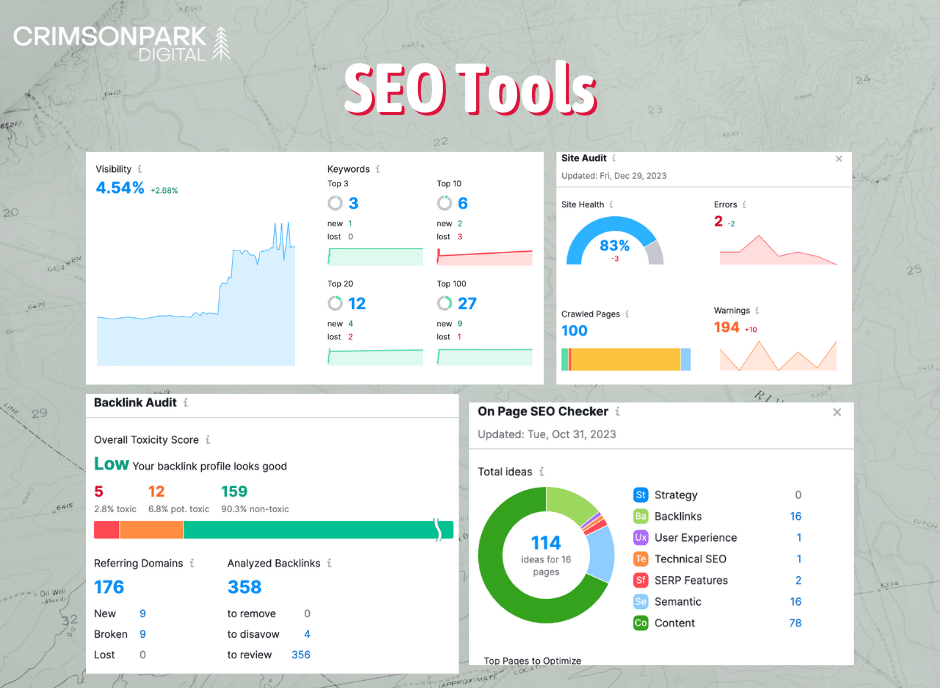
Analytics tools are vital for assessing your SEO efforts. Google Analytics is a robust tool to measure traffic & conversions. Evaluate page views, bounce rates, & session duration. Setting up goals in Google Analytics can help you track conversions. You can measure how many users complete desired actions, such as signing up or making a purchase. This data allows you to understand which content performs best. By analyzing this data, you refine your strategies for better results. Make necessary adjustments in real-time to maximize impact.
Content Optimization Based on Data Insights
Content optimization uses data insights to improve website visibility. Start with an audit of existing content. Identify which pieces attract traffic & which do not. Tools like SEMrush or Moz can help highlight optimization opportunities. Pay attention to keyword distribution, readability, & meta tags. Optimize headings & subheadings with relevant keywords. Also, consider incorporating multimedia elements like images & videos. These can improve user engagement & dwell time on your site.
- Use keywords naturally in your content.
- Ensure titles & meta descriptions are engaging.
- Add internal & external links for credibility.
- Include multimedia for enhanced user experience.
The Role of User Experience in SEO
User experience (UX) is now a significant ranking factor. Search engines prioritize sites that offer a seamless experience. This includes fast loading times, easy navigation, & mobile compatibility. Implement tools like Google PageSpeed Insights to analyze site speed. Aim for a load time of under three seconds. And another thing, ensure your website design is user-friendly. An intuitive design keeps visitors engaged. The longer users stay on your site, the better your SEO performance. Users are more likely to convert when they have a positive experience.
Leveraging Social Signals for SEO Benefits
Social media can indirectly influence SEO rankings. Sharing content on social platforms increases visibility. Engaging with your audience builds brand awareness. Use analytics to track social media traffic through referral links. This will help you understand which content resonates most with your audience. And another thing, encourage social sharing by adding share buttons to your content. The more your content is shared, the higher the potential for backlinks. Backlinks significantly impact SEO. They signal to search engines that your content is valuable.
“Data-driven SEO Strategies for Effective Online Growth & Visibility are essential in today’s competitive digital landscape.” – Margret Zboncak
The Importance of Backlinks in SEO
Backlinks refer to links from other websites to yours. They act as endorsements for your content. Building a strong backlink profile is crucial. Aim to acquire links from reputable sites within your niche. This increases your domain authority. High domain authority sites positively impact your search ranking. Start outreach campaigns to build relationships with bloggers & influencers. Guest blogging is another effective method. Contribute valuable content & include a link back to your site.
| Backlink Source | Benefits |
|---|---|
| Guest Posts | Increases your content visibility |
| Local Directories | Helps with local SEO |
| Industry Publications | Enhances credibility |
Adjusting Strategies Based on Data Analysis
Regularly adjusting your SEO strategies is necessary for success. Utilize gathered data to identify trends. Monitor changes in keyword rankings & traffic sources. If certain keywords begin to decline, adjust your content accordingly. This could mean updating old articles or creating new ones. Run A/B tests to determine which tactics yield the best results. Testing different headlines, images, or call-to-action buttons can significantly impact conversion rates. Continuous adjustment optimizes performance over time.
Integrating Local SEO Strategies
For businesses targeting local customers, local SEO is essential. Create a Google My Business profile to improve local visibility. Encourage satisfied customers to leave positive reviews. Their feedback can influence potential customers. Utilize local keywords in your content. This helps you rank better in local searches. Ensure your name, address, & phone number (NAP) are consistent across all platforms. Consistency builds trust with search engines & users alike. Local SEO can significantly enhance visibility in your specific geographic area.
The Impact of Voice Search on SEO Strategies
Voice search is reshaping SEO strategies significantly. More people use smart devices for search inquiries. Optimize your content for voice search by focusing on conversational keywords. Voice search queries are typically longer & more question-based. For example, instead of “best pizza,” users might say, “Where can I find the best pizza near me?” Create FAQs or content that answers common questions. This helps capture voice search traffic effectively.
- Focus on long-tail keywords for voice search.
- Use natural language in your content.
- Structure content as FAQ-style posts.
Monitoring Competitors for SEO Improvement
Keeping an eye on competitors is crucial for SEO strategies. Tools like Ahrefs allow you to analyze competitor backlink profiles. Identify which keywords they rank for & their content strategies. This information can guide your content planning. If competitors focus on certain topics, consider how to improve upon them. Find gaps in their strategy where you can excel. This competitive analysis offers insights into potential opportunities for growth. Always be adaptable to maintain your edge.
Utilizing Schema Markup for Enhanced Visibility
Schema markup is code that helps search engines understand your content. Implementing schema can enhance search results with rich snippets. This increases your visibility in SERPs. With more information displayed, users are more inclined to click your link. Types of schema to consider include product, review, & FAQ markup. Search engines like Google reward sites that use schema. They offer users better, more relevant content. This can ultimately lead to higher click-through rates.
| Schema Type | Purpose |
|---|---|
| Article | Enhances blog post visibility |
| Product | Showcases product details |
| Local Business | Improves local search visibility |
Measuring Success with Key Performance Indicators (KPIs)
Identifying key performance indicators (KPIs) helps measure success. Consider metrics like organic traffic, conversion rate, & keyword rankings. These KPIs provide insights into your SEO effectiveness. Regularly review these metrics to seek areas for improvement. Set specific, measurable goals for your SEO strategy. Track progress over time to assess whether strategies are working. Adjust goals as necessary to align with overall business objectives.
Hiring SEO Professionals for Optimal Results
Sometimes, hiring SEO professionals can yield better results. They bring expertise & experience that benefit your strategy. SEO experts can conduct in-depth audits of your website. They also stay updated on current trends & algorithms. This knowledge helps in optimizing your site’s performance. Providing consistent results requires time & effort. If these resources are limited, consider outsourcing your SEO. Finding the right partner can make a significant difference.
<<<<< Buy Now from Official offer >>>>>

Feature of Squirrly SEO
Squirrly SEO is an innovative tool for enhancing online presence & visibility. Its cutting-edge features provide users with a comprehensive suite of tools & analytics. Key features include:
- Lifetime access to Squirrly SEO
- All future Business Plan updates
- Map to the new Plan name, accommodating updates
- Code redemption within 60 days of purchase
- Stackable codes, up to 10
- GDPR compliance ensures data privacy
- Accessibility for new & returning AppSumo As well as purchasers
- Previous customers also benefit from new features
Other significant offerings include:
- Top-ranking pages leaderboard for tracking performance
- Unlimited page content marketing analytics for detailed insights
- Unlimited content optimizations with an SEO live assistant
- Unlimited Google rank checks through Google Search Console
- Pro SEO live assistant for tailored optimization strategies
- Access to copyright-free images for content creation
- Blogging assistant coupled with a blogging audit feature
- Comprehensive audit suite, identifying duplicate metas
- On-demand SEO audits for timely assessments
- Business SERP checker & Google rank tracking
- Keyword suggestions tailored to individual ranking potential
Challenges of Squirrly SEO
Users may encounter challenges while utilizing Squirrly SEO. Some report limitations concerning specific features & compatibility issues. For instance, certain integrations may not work seamlessly with other third-party tools.
The learning curve can also be steep for new users. Feedback often mentions the complexity of understanding all features fully without sufficient onboarding assistance. Some users suggest the need for more in-depth tutorials & documentation to facilitate better user experience.
To address these challenges, ongoing user feedback can provide insights for updates. Creating a comprehensive knowledge base, complete with video tutorials & interactive guides, can ease the learning process considerably.
Price of Squirrly SEO
The pricing structure for Squirrly SEO is designed to accommodate various needs. Below is a breakdown of the options available:
| Plan Type | Price |
|---|---|
| Single | $99 |
| Double | $198 |
| Multiple | $297 |
Each plan provides unique benefits, ensuring users can choose the best fit for their requirements.
Limitations of Squirrly SEO
While Squirrly SEO boasts many features, some limitations exist. In comparison to competitors, it may lack specific advanced functionalities, especially in reporting & analytics.
For instance, certain users find the user interface less intuitive than expected. This may affect productivity, particularly for those unfamiliar with similar tools. While basic features work well, some advanced tools may not meet all user expectations.
Enhancing the user experience through intuitive design & improved feature sets will likely attract more users. Focusing on expanding the capabilities offered can position Squirrly more favorably in the market.
Case Studies
Numerous users have shared their experiences with Squirrly SEO, showcasing its impact. One notable example involves a start-up that saw significant traffic growth after implementing Squirrly’s tools. Within six months, organic traffic increased by 150% by leveraging the SEO live assistant.
Another case revealed how an established e-commerce site optimized several product pages using Squirrly SEO. The company reported a noticeable increase in search rankings & a 200% boost in conversion rates after optimizing content based on Squirrly’s recommendations.
These case studies illustrate how Squirrly SEO can enhance visibility & growth. Users who actively engage with its features tend to achieve better results compared to those who rely solely on basic functionalities.
Recommendations for Squirrly SEO
Optimizing usage of Squirrly SEO can yield substantial benefits. Here are strategies to maximize its potential:
- Regularly update content based on SEO audits.
- Utilize the SEO live assistant for real-time optimization suggestions.
- Engage with the community to share insights & strategies.
- Explore all features comprehensively for best results.
- Use data-driven insights for informed decision-making.
- Incorporate SEO practices consistently across all content.
- Pair with other tools like Google Analytics for comprehensive insights.
Additional Considerations
Leveraging data effectively can help achieve more effective online growth. Utilizing features from Squirrly SEO, such as comprehensive analytics, can aid organizations in tailoring their strategies.
Tracking progress through the built-in leaderboard allows users to benchmark their performance against competitors. This iterative process encourages continuous improvement, which is essential for staying relevant in a digital landscape.
And don’t forget, regular workshops or seminars can increase understanding & skills within the user base. Such initiatives can enhance engagement & drive user success collectively.
Tools to Enhance Squirrly SEO
Consider integrating these tools with Squirrly SEO for an optimized experience:
- Google Analytics for in-depth traffic analysis.
- Canva for creating high-quality visual content.
- BuzzSumo for content research & influencer outreach.
- Ahrefs or SEMrush for advanced keyword research.
- Mailchimp for email marketing automation.
Such tools can complement the functionality of Squirrly SEO, creating a well-rounded approach to data-driven SEO strategies for effective online growth & visibility.
What is data-driven SEO?
Data-driven SEO refers to the approach of using measurable & analytical data to inform & improve search engine optimization strategies. This method relies on analytics, metrics, & search data to make decisions that enhance website visibility & ranking.
Why is data analysis important for SEO?
Data analysis provides insights into user behavior, keyword performance, & competitor strategies, allowing marketers to identify areas for improvement. By understanding which strategies yield the best results, businesses can optimize their content & enhance their online presence.
How can I gather data for SEO?
Data for SEO can be gathered through various tools, including Google Analytics, Google Search Console, & third-party SEO tools. These platforms provide valuable information on website traffic, user engagement, keyword rankings, & more.
What role does keyword research play in data-driven SEO?
Keyword research is critical as it helps identify the terms & phrases that potential customers are searching for. By focusing on relevant & high-traffic keywords, businesses can optimize their content to better meet user needs & improve their search visibility.
How can I measure the effectiveness of my SEO strategies?
The effectiveness of SEO strategies can be measured through various metrics, such as organic traffic growth, keyword ranking improvements, conversion rates, & engagement metrics. Monitoring these indicators over time will help assess the success of SEO efforts.
What tools are available for tracking SEO performance?
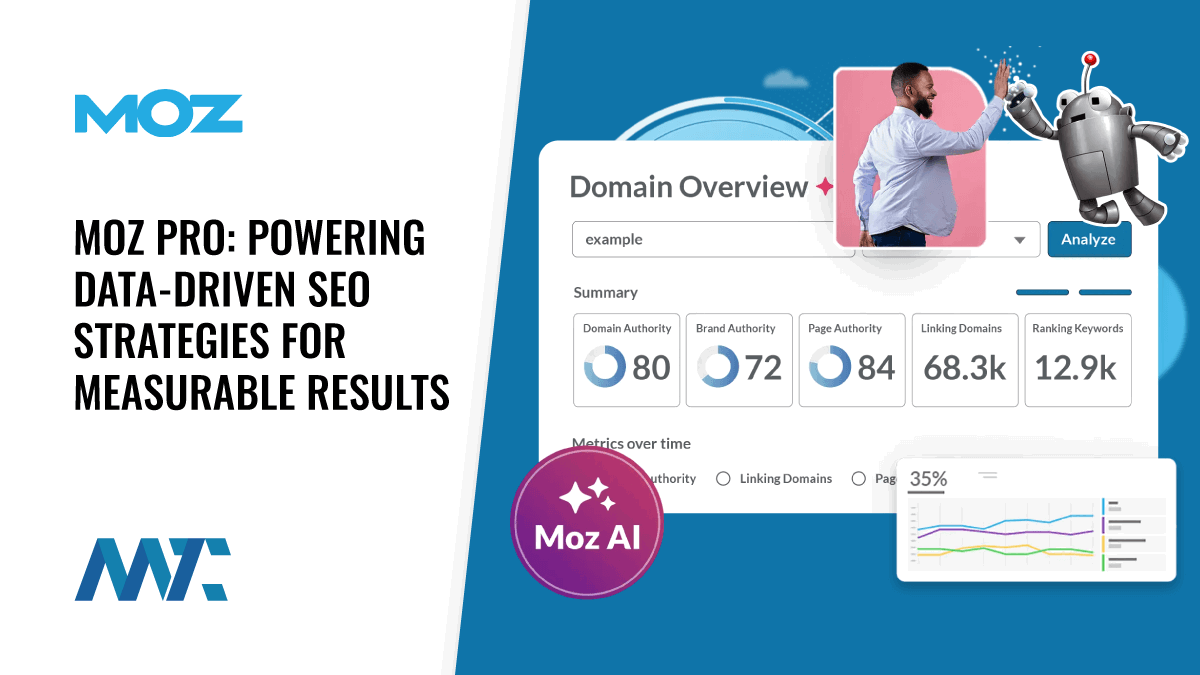
There are many tools available for tracking SEO performance, such as SEMrush, Ahrefs, Moz, & Google Analytics. These tools offer features to track rankings, monitor backlinks, analyze competitors, & evaluate traffic sources.
What are backlinks, & why are they important for SEO?
Backlinks are links from other websites that direct users to your site. They are significant for SEO as they signal to search engines that your content is credible & valuable, influencing your site’s authority & ranking.
How often should I update my SEO strategy?
SEO strategies should be revisited regularly, ideally every few months, to ensure they are aligned with current trends, algorithm updates, & performance metrics. Continual assessment allows for timely adjustments to enhance effectiveness.
What is the role of content in data-driven SEO?
Content plays a central role as it needs to be informative, engaging, & aligned with search intent. Data-driven analysis can guide the creation of high-quality content that resonates with target audiences & improves visibility.
Can social media impact SEO?
Yes, while social media signals do not directly affect search rankings, they can increase content visibility & drive traffic to your website. Greater engagement on social media can lead to more backlinks & improved SEO performance indirectly.
What is technical SEO, & why does it matter?
Technical SEO refers to optimizing the backend structure of a website to improve its visibility & indexing by search engines. This includes elements like site speed, mobile-friendliness, & proper indexing, all of which are crucial for effective SEO.
What are some common SEO mistakes to avoid?
Common SEO mistakes include keyword stuffing, neglecting mobile optimization, ignoring analytics, having poor quality backlinks, & not updating content. Avoiding these pitfalls can lead to better search performance & visibility.
How can I implement data-driven SEO effectively?
To implement data-driven SEO effectively, begin with thorough data collection & analysis to identify areas for improvement. Set clear goals, prioritize actionable insights, optimize content & technical aspects, & continually monitor performance for ongoing adjustments.
What is local SEO, & how does it relate to data-driven strategies?
Local SEO focuses on optimizing your online presence to attract more business from relevant local searches. Data-driven strategies for local SEO include optimizing Google My Business listings, utilizing location-specific keywords, & gathering local reviews to enhance visibility in local search results.
<<<<< Buy Now from Official offer >>>>>
Conclusion
In today’s digital world, using Data-Driven SEO Strategies for Effective Online Growth & Visibility is essential for success. By analyzing the right data, you can understand your audience better & adjust your content to meet their needs. This not only helps improve your rankings but also boosts engagement & drives traffic to your site. Remember, the key is to stay flexible & adapt your strategies as trends change. Embracing these Data-Driven SEO Strategies for Effective Online Growth & Visibility will ultimately lead to a stronger online presence & help your business thrive in a competitive environment.
<<<<< Buy Now from Official offer >>>>>
Leave a Reply
You must be logged in to post a comment.