
Optimize Search Intent for Better SEO & User Engagement Strategies. Unlock the secrets of Optimize Search Intent for Better SEO & User Engagement Strategies to boost your website’s performance & connect with users effectively!

<<<<< Buy Now from Official offer >>>>>
What is Search Intent?
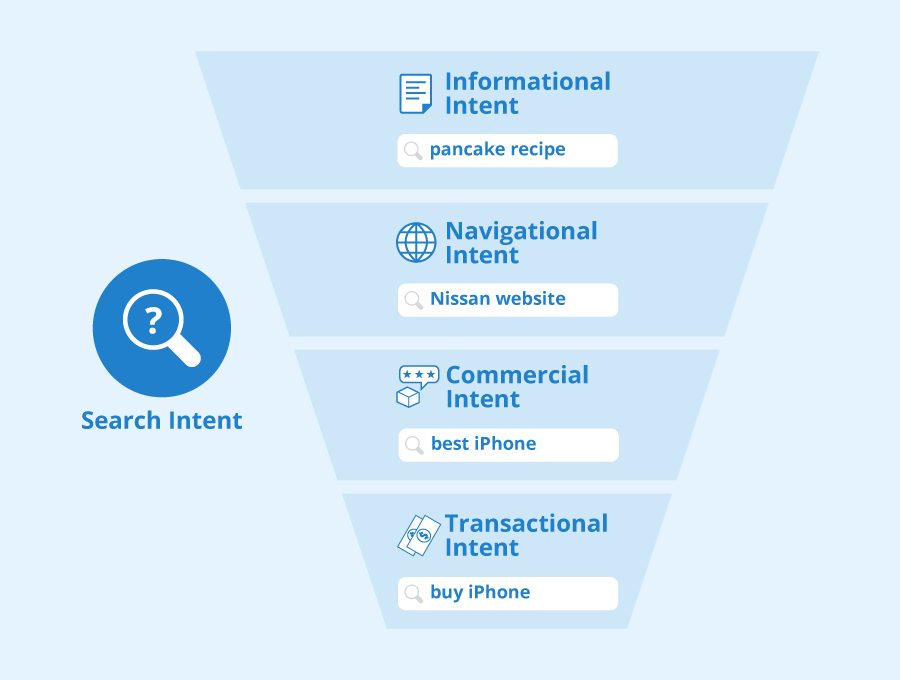
Search intent focuses on the reason behind a user’s search. It dives deep into what users hope to achieve when they input specific keywords into a search engine. Different types of search intent include informational, navigational, transactional, & commercial. Understanding this helps in crafting content that resonates with users.
Users often have specific needs. For example, someone searching for “how to bake bread” wants instructions, while another might look for “buy bread machine” indicating a desire to purchase. Identifying these intents allows marketers to create more targeted content.
Search intent can change with trends. As user needs evolve, so should the content strategies. By assessing what users seek, businesses can enhance their SEO efforts. Optimizing for search intent increases relevant organic traffic. This also boosts overall user engagement.
To illustrate, consider two keywords: “best smartphones” & “smartphone reviews.” The former reflects a transactional intent, while the latter indicates a desire for information. Businesses must align their content accordingly to engage their audience effectively.
Types of Search Intent
Recognizing the types of search intent is crucial. Each category demands different content strategies to cater to users’ needs. Here are the primary types of search intent:
- Informational: Users seek knowledge or answers.
- Navigational: Users want to reach a specific website.
- Transactional: Users aim to make a purchase.
- Commercial Investigation: Users compare products before purchasing.
| Search Intent Type | Example Keywords |
|---|---|
| Informational | “how to fix a leaky faucet” |
| Navigational | “Facebook login” |
| Transactional | “buy running shoes online” |
| Commercial Investigation | “best laptops 2023” |
Each type influences user behavior differently. Understanding these categories helps in creating appropriate content. Businesses can enhance their SEO effectiveness by aligning content strategy with user intent.
Importance of Optimizing for Search Intent
Optimizing for search intent is significant for various reasons. First, it increases visibility in search engines. Higher visibility means more traffic. Secondly, aligning content with intent leads to better engagement. Engaged users tend to spend more time on a site.
User experience improves by matching content with their needs. A satisfied user often returns & may become a loyal customer. On top of that, this practice bolsters conversion rates. By targeting specific intents, businesses can drive users towards desired actions, such as signing up or making a purchase.
Another aspect to consider is the reduction in bounce rates. Users who find relevant content are less likely to leave quickly. This leads to better overall SEO performance. Google rewards sites that provide value to users by improving their rankings.
Every piece of content should address user needs effectively. As Leonardo Kessler said,
“Search intent optimization can double your traffic.”
This reinforces the significance of focusing on what users truly want.
How to Identify Search Intent
Identifying search intent requires strategic steps. First, analyze keyword data through tools like Google Keyword Planner or SEMrush. These platforms provide insights into keyword performance & user behavior.
Second, study the SERPs. Look at the types of results that appear for specific keywords. For instance, if the first results are product pages, the intent is likely transactional. If how-to articles show up, the intent is informational.
Third, observe user behavior on your own site. Use analytics tools to track what users search for & the pages they visit. This data provides valuable insights into content performance & user preferences.
Lastly, engage in competitor analysis. Review how competitors rank for similar keywords & what content they produce. This can also inform your approach to aligning your content strategy with user needs.
Creating Content that Matches Search Intent
Creating content that aligns with search intent is essential. Start by defining your primary audience. Identify their needs & motivations. Build personas to guide your content strategy.
Then, structure your content based on intent types. For informational queries, provide in-depth articles, guides, & FAQs. Use clear headings, bullet points, & visuals to enhance readability. This keeps users engaged.
For transactional queries, ensure product pages are optimized. Provide clear product descriptions, prices, & high-quality images. Incorporate customer reviews to build trust. Ensure the purchase process is simple & intuitive.
Consider using various media formats. Videos, infographics, & podcasts can engage different audience segments. Mixing these formats keeps content fresh & appealing.
Lastly, update existing content regularly. Refresh information to keep it relevant. This will not only enhance user experience but also signal to search engines that your site is active & up-to-date.
Measuring Search Intent Optimization Success
Measuring the success of your search intent optimization is crucial. First, use analytics tools to monitor traffic. Look at organic traffic patterns over time. Are there increases following content updates?
Next, analyze bounce rates. A significant decrease in bounce rates indicates successful engagement. This means users are finding content that meets their needs. If bounce rates are high, reevaluate content relevance.
Conversion rates also matter. Track the percentage of users completing desired actions. This could be signing up for a newsletter or making a purchase. Higher conversions signify effective intent optimization.
And another thing, monitor user feedback. Gather insights through surveys or comments. Understanding user sentiment can guide future content strategies. Implement changes based on direct user feedback.
Finally, keep an eye on rankings. Use SEO tools to track keyword performance. Improvements in rankings indicate effective alignment with user intent.
Strategies to Enhance User Engagement
Various strategies can enhance user engagement. The goal is to connect with your audience effectively. Here are some actionable methods:
- Personalization: Tailor content based on user behavior.
- Interactive Content: Use quizzes & polls to engage users.
- Clear CTAs: Incorporate compelling calls to action.
- Social Sharing: Make content easily shareable on social media.
Implementing personalization can significantly impact user engagement. For example, recommended articles based on previous reading habits can keep users on your site longer.
Interactive content, such as quizzes, tends to attract attention. Users enjoy engaging with dynamic formats & may stay longer on your pages. This also encourages sharing among peers.
Clear calls to action guide users. Whether a sign-up button or a purchase link, ensure it’s visible & appealing. Compelling CTAs drive users towards desired actions, boosting engagement.
Social sharing options expand your reach. When users can share content effortlessly, it increases visibility. This can drive additional traffic & potential conversions.
| Engagement Strategy | Expected Outcome |
|---|---|
| Personalization | Enhanced user satisfaction |
| Interactive Content | Increased session duration |
| Clear CTAs | Higher conversion rates |
| Social Sharing | Expanded audience reach |
Tools for Optimizing Search Intent
Several tools can assist in optimizing search intent. These resources provide valuable insights & streamline processes. Here are a few must-have tools:
- Google Analytics: Measures traffic & user behavior.
- SEMrush: Offers keyword research & analysis.
- Ahrefs: Provides insights on backlinks & keyword performance.
- Moz: Assists with SERP analysis & SEO tools.
Utilize Google Analytics to track user interactions on your site. Analyze data, such as pages per session & average time spent. This helps gauge content effectiveness.
SEMrush can aid in keyword research. Discover which keywords drive traffic & how your content ranks. Adjust your strategy based on this data to better match user intent.
Ahrefs offers a broader view of your SEO health. Monitor backlinks & assess competitor performance. This data informs your content improvement & optimization efforts.
Lastly, Moz is a trusted resource for additional SEO tools. Use it for SERP analysis & to identify keyword opportunities that align with user intent.
Continuously Adapting Your Strategy
The landscape of search intents evolves. Therefore, adapting your strategies is essential. Stay informed about changes in user behavior & search engine algorithms. Regularly check performance analytics to identify trends & opportunities.
Incorporate feedback from team members or users. Listen to what your audience wants. Use this information to adjust content & SEO strategies. Engaging with your audience shows you value their input.
Experiment with new formats & topics. Bold decisions often yield significant results. For example, test different headlines, content formats, or even posting times. Analyze the data to see what works best.
Lastly, maintain a flexible mindset. Adaptation can lead to growth. If one approach does not yield expected results, pivot to try something new. This agility ensures your strategies remain effective over time.
<<<<< Buy Now from Official offer >>>>>

Features of Squirrly SEO
Squirrly SEO is an advanced tool designed to enhance SEO strategies & ensure improved user engagement. Its extensive features empower users to optimize their online presence, attract more traffic, & boost conversions.
Lifetime Access & Updates
Purchasing Squirrly SEO grants users lifetime access to a range of powerful features. This includes all future updates under the Business Plan. If the plan name changes, the deal will be updated to reflect the new name alongside new features.
Users need to redeem their codes within 60 days of purchase. Stacking up to 10 codes is allowed, making it a very flexible option for users looking to optimize their SEO capabilities.
GDPR Compliance
In a time where data privacy is essential, Squirrly SEO maintains full GDPR compliance. This ensures that user data is managed responsibly, instilling confidence in its user base.
Top-Ranking Pages Leaderboard
Users can access a top-ranking pages leaderboard that showcases which content is performing best. This feature is instrumental in identifying successful strategies & making necessary adjustments to SEO techniques.
Unlimited Content Marketing Analytics
- Unlimited page content marketing analytics
- Unlimited content optimizations with SEO live assistant
- Unlimited Google rank checks made through Google Search Console
Pro SEO Live Assistant
The Pro SEO Live Assistant feature provides real-time guidance & optimization suggestions while creating content. This ensures that users employ best practices while writing, enhancing quality.
Copyright-Free Images
Squirrly SEO offers a library of copyright-free images. Users have access to a selection of high-quality images, making it easier to enrich content without worrying about copyright issues.
Blogging Assistant & Audit
The built-in blogging assistant simplifies the writing process. And another thing, the blogging audit feature reviews existing posts, helping to optimize previously published content for better engagement.
Challenges of Squirrly SEO
While Squirrly SEO comes with impressive features, users may face certain challenges. One common issue is the learning curve. Because the tool offers advanced functionalities, some users might find it overwhelming at first.
Compatibility issues can also arise. Users have reported concerns regarding integrations with specific plugins or WordPress themes. Ensuring compatibility with various setups can take some time & effort.
Finally, limitations in features compared to other tools have also been mentioned. Some users feel that while Squirrly SEO provides essential capabilities, it might lack more advanced functionalities present in competing products. Addressing these concerns could involve enhancing existing features or introducing new ones.
Price of Squirrly SEO
| Plan Type | Price |
|---|---|
| Single | $99 |
| Double | $198 |
| Multiple | $297 |
The pricing structure caters to varying needs, allowing users to choose a plan that fits their requirements & budget. Each plan offers unique features & benefits.
Limitations of Squirrly SEO
Squirrly SEO, while powerful, does have certain limitations. One notable aspect is that not all required functionalities may be present compared to competing SEO platforms. Users might find specific analytics or reporting features insufficient.
And another thing, the overall user experience can feel cumbersome. Some users have expressed frustration over interface navigation or certain workflows that may impede productivity.
Finally, updates & feature enhancements are crucial. Users may feel that the pace of innovation is slower than desired. Frequent updates could improve user satisfaction & market competitiveness.
Case Studies
Many users of Squirrly SEO have shared success stories that highlight the effectiveness of this tool. For instance, an e-commerce store managed to increase organic traffic by 150% over six months by using the top-ranking pages feature for content development.
Another user, a blogger, successfully optimized their articles with the help of the Pro SEO Live Assistant, resulting in a 100% increase in engagement metrics. By applying the feedback from mixed analytics, they honed their content strategy significantly.
A small business also leveraged Squirrly SEO to conduct regular audits on their website, noticing a substantial improvement in search visibility. They reported a 75% boost in their Google rankings, greatly enhancing their online presence.
Recommendations for Squirrly SEO
To maximize the benefits of Squirrly SEO, users should consider the following recommendations:
Leverage Regular Audits
- Conduct regular SEO audits
- Utilize the blogging audit feature
- Address duplicate metas promptly
- Monitor Google rank via SERP checker
Optimize Content with the Live Assistant
- Make use of the live assistant while drafting content
- Focus on keyword density & placement
- Review suggestions before publishing
Analyze Competitor Strategies
- Review competitors’ top-ranking pages
- Identify high-value keywords
- Adapt successful strategies into your own content
Implementing these strategies can lead to improved search rankings & enhanced user engagement over time.
Feature Summary of Squirrly SEO
| Feature | Description |
|---|---|
| Lifetime Access | Access to all features with future updates. |
| SEO Live Assistant | Provides real-time optimization suggestions. |
| Content Audits | Regular analyses to improve existing posts. |
| Top-Ranking Pages | Insights on the best-performing content. |
| GDPR Compliance | Ensures responsible data handling. |
SEO Optimization with Squirrly
For improved SEO optimization, Squirrly SEO emphasizes understanding search intent. Align content with what users want & expect from search engines.
- Invest in keyword research
- Focus on user experience & page speed
- Utilize mobile optimization techniques
- Incorporate relevant multimedia elements
User Engagement Strategies
Effective user engagement strategies can significantly boost online success. Use Squirrly SEO features to create engaging content that captivates audiences.
Content Personalization
- Tailor content based on user preferences
- Utilize feedback loops to improve content offerings
- Promote user-generated content
Utilize CTAs Effectively
- Incorporate clear & compelling calls-to-action (CTAs)
- A/B test different CTAs for effectiveness
- Use actionable language to prompt engagement
Engage Through Social Media
- Share content on various social platforms
- Encourage discussions & interactions
- Monitor engagement metrics & adapt strategies
What is search intent & why is it important for SEO?
Search intent refers to the reason behind a user’s search query. Understanding search intent is crucial for SEO as it helps optimize content to better match user expectations, leading to improved rankings & engagement.
How can I identify user search intent?
User search intent can be identified by analyzing keywords, examining search results, & understanding the type of content that typically ranks for those keywords. Evaluating questions users ask & the context of their searches also provides insights.
What are the different types of search intent?
The primary types of search intent include informational, navigational, transactional, & commercial investigation. Each type reflects what the user aims to achieve, whether it’s seeking information, finding a specific website, or making a purchase.
How can I optimize my content for different types of search intent?
To optimize content, create specific articles or pages that match each type of search intent. For informational intent, provide comprehensive guides; for transactional intent, include clear calls to action & product details; for navigational intent, ensure brand visibility.
Why does user engagement matter for SEO?
User engagement is vital for SEO because search engines assess how users interact with content. Higher engagement indicates quality & relevance, often resulting in better rankings & increased visibility over time.
What strategies can improve user engagement on my website?
Strategies to enhance user engagement include creating high-quality, relevant content, optimizing website speed, ensuring mobile-friendliness, incorporating multimedia, & enabling user interactions through comments & social sharing.
How does content structure affect search intent optimization?
Content structure plays a significant role in search intent optimization. A well-organized layout with headings, bullet points, & visuals helps users find information quickly, catering to their intent & improving the overall user experience.
What tools can help analyze search intent?
Tools such as Google Keyword Planner, SEMrush, & Ahrefs can help analyze search intent by providing insights into keyword data, search volumes, & the types of content that rank for specific queries.
How can I measure the effectiveness of my search intent optimization?
Effectiveness can be measured through metrics such as organic search traffic, click-through rates, bounce rates, & average time on page. Tracking these metrics over time helps assess if the optimization meets user needs.
Can voice search change how I approach search intent?
Yes, voice search can impact search intent strategies as users often ask questions in a conversational manner. Optimizing for natural language queries & focusing on long-tail keywords can enhance visibility in voice search results.
<<<<< Buy Now from Official offer >>>>>
Conclusion
In summary, to successfully Optimize Search Intent for Better SEO & User Engagement Strategies, it’s essential to understand what your audience is truly searching for. By aligning your content with their needs, you can boost your website’s visibility & foster a stronger connection with your users. Remember to use clear language, answer their questions directly, & provide valuable information. Regularly analyze your results to see what’s working & adjust accordingly. Ultimately, the goal is to create a seamless experience that makes your visitors feel valued & understood. This approach will naturally enhance your SEO & user engagement.
<<<<< Buy Now from Official offer >>>>>
Leave a Reply
You must be logged in to post a comment.