

Effective Search Engine Marketing Strategies for Business Growth. Discover Effective Search Engine Marketing Strategies for Business Growth that really work! Boost your online presence & watch your business thrive today!
<<<<< Buy Now from Official offer >>>>>
What is Search Engine Marketing?
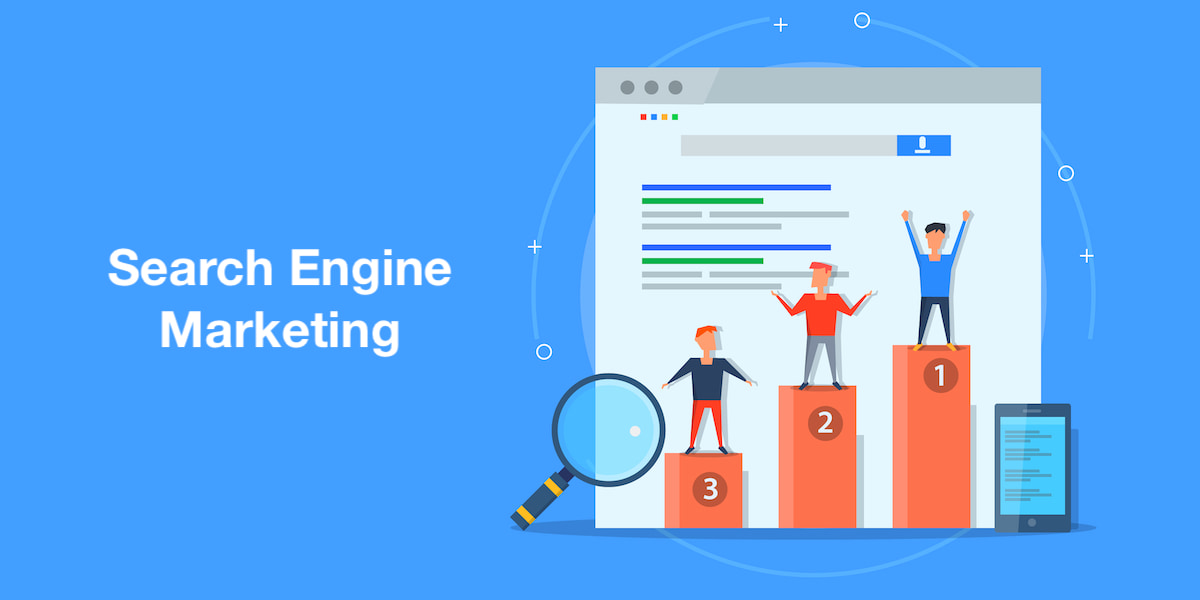
Effective Search Engine Marketing Strategies for Business Growth start with understanding search engine marketing (SEM). SEM is a form of internet marketing. It involves promoting websites by increasing their visibility on search engines. This strategy primarily relies on paid advertising. Businesses use SEM to attract more visitors. Typically, this leads to higher conversion rates.
In SEM, key components include pay-per-click (PPC) advertising & search engine optimization (SEO). PPC involves advertisers paying a fee each time their ad is clicked. SEO focuses on optimizing a website. This helps it rank higher in organic search results.
Running a successful SEM campaign can significantly impact business growth. It helps reach potential customers at the right time. They often search for products or services a business offers. And another thing, companies can track their SEM efforts. Metrics such as click-through rates (CTR), conversion rates, & cost per acquisition (CPA) give valuable insights.
The Importance of Keyword Research
Keyword research is a fundamental aspect of SEM. Choosing the right keywords can determine the success of your campaigns. It involves analyzing phrases that potential customers use in searches. It provides insights into market trends & customer preferences.
Use tools like Google Keyword Planner or SEMrush. These can help identify high-value keywords. Also, consider long-tail keywords. They are more specific & often have less competition. This increases the chances of appearing in relevant searches.
And another thing, continually refine your keyword strategy. Monitor performance & adapt as necessary. This ensures that your strategies remain relevant. It also helps improve ad targeting.
Consider this table for a clear view of effective & ineffective keywords:
| Effective Keywords | Less Effective Keywords |
|---|---|
| “Best running shoes for beginners” | “shoes” |
| “Affordable mortgage rates” | “mortgage” |
| “Organic dog food delivery” | “dog food” |
Optimizing Ad Copy
Crafting compelling ad copy is vital for your SEM success. Your ad should grab attention immediately. It must communicate value & match user intent. Clear messaging & call-to-action (CTA) are key.
Start with headlines that resonate. Use action verbs & target keywords to enhance relevance. Highlight unique selling points in your description. Ensure clarity in what you offer. Use a strong CTA like “Shop Now” or “Learn More.”
Testing different versions of ads is crucial. A/B testing helps you identify which ad performs better. Adjust elements such as headlines, descriptions, & CTAs. This ensures that your ads continually meet user needs.
Below are the components of effective ad copy:
- Attention-grabbing headline
- Target keywords
- Clear & concise descriptions
- Strong call-to-action
Utilizing Landing Pages Effectively
Landing pages play a significant role in SEM success. They are where visitors arrive after clicking an ad. A well-designed landing page improves conversion rates. It should align with the ad’s messaging to minimize bounce rates.
Ensure that landing pages are visually appealing. They must be easy to navigate with a clear path to conversion. Use high-quality images & concise text. Always include a CTA that directs users to take action. This could be to purchase, subscribe, or inquire further.
On top of that, optimize landing pages for mobile devices. A significant number of users conduct searches on their phones. If your landing page is not mobile-friendly, you risk losing potential customers.
Here’s an example layout for an effective landing page:
| Landing Page Element | Purpose |
|---|---|
| Headline | Grab attention |
| Images | Showcase product |
| CTA Button | Drive conversions |
Monitoring & Adjusting Campaigns
Monitoring SEM campaigns is vital for achieving growth. Regularly review performance metrics such as CTR, conversion rates, & CPA. This information helps identify what works & what doesn’t.
Utilize tools like Google Analytics & Google Ads. These platforms offer insights into user behavior. Adjust your campaigns based on data-driven decisions. For example, if certain keywords perform poorly, consider pausing them.
And don’t forget, monitor your competitors. Analyze their strategies & performance. This can provide ideas for improvement. Regular optimization ensures your SEM efforts remain effective & relevant.
Here’s a checklist to ensure effective monitoring:
- Track key performance metrics
- Adjust bid strategies if necessary
- Analyze competitor activities
- Refine keywords regularly
Incorporating Social Media Ads
Social media advertising complements your SEM strategies. It allows for broader reach & engagement. Platforms like Facebook, Instagram, & LinkedIn offer targeted ad options.
You can create tailored ads based on user demographics, interests, or behaviors. This targeting increases the likelihood of conversions. Integrating social media with SEM campaigns creates a cohesive strategy.
And another thing, consider retargeting ads. They serve ads to users who have previously interacted with your site. This increases the chances of converting potential customers.
Below is a list of key benefits of using social media advertising:
- Broader audience reach
- Targeted ad placements
- Enhanced customer engagement
- Cost-effective advertising options
Continuous Learning & Adapting
The digital marketing landscape is ever-changing. Staying updated with trends is crucial for success. Regularly educate yourself on new SEM strategies. Subscribe to marketing blogs, attend webinars, & participate in industry conferences.
Experimentation is key. Test different strategies & analyze their effectiveness. Learn from each campaign & apply those insights to future efforts. This commitment to continuous improvement is essential.
Also, pay attention to changing algorithms & consumer preferences. These factors can significantly impact your SEM strategy. Adaptability ensures your approach remains relevant & effective.
“Effective Search Engine Marketing Strategies for Business Growth include continuous optimization.” – Alexanne Leannon
The Role of Analytics in SEM
Analytics tools are central to evaluating SEM performance. They provide data on user engagement, traffic sources, & conversion rates. This information informs future strategies & optimizations.
Google Analytics is a popular choice. It offers insights into website performance & user behavior. You can track referral traffic from search ads. This data helps assess the effectiveness of your campaigns.
Consider setting goals within your analytics tools. Define conversions based on user actions. This could include email sign-ups, purchases, or downloads. Tracking goals helps to measure success & overall growth.
Here’s a simple guide for using analytics in SEM:
- Set up Google Analytics
- Define tracking goals
- Regularly review performance metrics
- Make data-driven adjustments
My Experience with SEM Strategies
I once implemented Effective Search Engine Marketing Strategies for Business Growth for a project. I used targeted ads & optimized landing pages. This approach significantly boosted our web traffic & conversions. It was fulfilling to see the positive outcomes.
Building a Brand with SEM
Brand building is a vital part of SEM. Consistent messaging across all channels enhances recognition. Utilize SEM to improve visibility & trust. Strong brand presence increases customer loyalty & drives growth.
Incorporate branded keywords into your SEM strategy. They can help differentiate your business. Consider using display ads alongside search ads. This reinforces brand awareness across the web.
Continuous engagement with your audience is crucial. Use retargeting strategies to keep your brand in front of interested users. Providing valuable content also strengthens brand identity.
- Use branded keywords
- Develop a cohesive messaging strategy
- Engage with your audience regularly
- Leverage multiple ad formats
<<<<< Buy Now from Official offer >>>>>

Feature of Squirrly SEO
Squirrly SEO offers a range of features that empower users seeking to enhance their search engine marketing efforts. With a focus on providing comprehensive tools, Squirrly simplifies SEO tasks & delivers value to its users.
Lifetime Access
Users gain lifetime access to the Squirrly SEO platform upon purchase. This means that once you buy the software, you can use it indefinitely, ensuring long-term support for your SEO strategy.
Business Plan Updates
All future updates for the Business Plan will also be made available to users. If the plan name changes, the new deal will continue to apply, ensuring that customers are always informed about the latest offerings.
Code Redemption Period
Users must redeem their code(s) within 60 days of purchase. This stipulation helps maintain account integrity & ensures all users are actively engaged with the platform.
Stacking Codes
You can stack up to 10 codes. This allows businesses to enhance their capacity & features as necessary, accommodating growth ambitions easily.
GDPR Compliance
Squirrly SEO is GDPR compliant. This ensures that users’ data privacy & security align with European regulations, adding a layer of trust to the platform.
Eligibility for Users
This offering is available for both new users & returning AppSumo As well as purchasers. Previous AppSumo As well as customers purchasing Squirrly SEO can buy additional codes to increase their limits, benefiting from past investments.
Top-Ranking Pages Leaderboard
SquirrlySEO includes a top-ranking pages leaderboard, allowing users to view which pages perform best. This feature helps identify successful content strategies.
Unlimited Page Content Marketing Analytics
With unlimited content marketing analytics, users can access detailed reports on their SEO efforts, facilitating smarter decisions based on data.
SEO Live Assistant
The SEO live assistant offers unlimited content optimizations. Users receive real-time feedback while creating content, which helps to improve their SEO rapidly.
Google Rank Checking
Squirrly provides unlimited Google rank checks made through the Google Search Console. This feature allows users to track their rankings effortlessly.
SEO Strategy & Pro Features
Establishing a solid SEO strategy becomes easier with Squirrly. And another thing, Pro features like the Pro SEO live assistant help monitor & enhance ongoing efforts.
Content Creation Tools
Users have access to copyright-free images, enhancing content quality without the risk of copyright issues. And don’t forget, a blogging assistant conducts audits to optimize content effectively.
Audit Tools
The Pro audit suite version provides on-demand SEO audits. This tool identifies duplicate metas, ensuring all content meets SEO standards.
Business SERP Checker & Keywords
The Business SERP checker & features allowing users to see keywords they can rank for further streamline the optimization process. This keyword feature highlights opportunities for improvement.
Challenges of Squirrly SEO
Despite its benefits, users experience some challenges with Squirrly SEO. Understanding these can foster a better experience when utilizing the platform.
Feature Limitations
Some users report limitations in features compared to other SEO tools. This includes fewer tools for in-depth competitor analysis or limited access to specific advanced functionalities.
Compatibility Issues
Compatibility issues may arise with certain WordPress versions or plugins. Users have noted that not all features work seamlessly across different setups, which can lead to frustration.
Learning Curve
A potential learning curve also exists. New users might find the interface overwhelming initially, as Squirrly packs various tools in a single environment. This can lead to confusion about where to start.
User Feedback
Feedback from users indicates a need for a more intuitive layout. Some suggest that step-by-step guides or tutorials could enhance user experience & simplify navigation to vital features.
Price of Squirrly SEO
The pricing structure of Squirrly SEO is competitive & tailored for various business needs. Below is a detailed price comparison table illustrating available options.
| Plan Type | Price | Details |
|---|---|---|
| Single | $99 | Access to basic features |
| Double | $198 | Includes additional optimizations |
| Multiple | $297 | Best for larger teams with ongoing needs |
Limitations of Squirrly SEO
Despite its strengths, Squirrly SEO faces some limitations. Recognizing these can guide potential users in their decision-making process.
Missing Features
There are certain missing features when compared to leading SEO tools. This includes advanced backlink analysis & keyword research functionalities which may limit users seeking extensive insights.
User Experience Difficulties
Some users mention user experience difficulties. Navigating through various tools can be cumbersome at first, especially for beginners who may struggle to locate specific features quickly.
Need for Improvement
Continuous updates are essential, yet some users feel that Squirrly could benefit from more frequent improvements as the SEO landscape evolves. Keeping up with current trends & changes is crucial for staying relevant.
Case Studies
Real-life examples offer valuable insight into Squirrly SEO’s effectiveness. These case studies showcase how businesses have utilized the platform to achieve their SEO goals.
Case Study 1: E-commerce Success
One e-commerce site faced challenges in driving organic traffic. After implementing Squirrly SEO, analytics showed a 50% increase in organic traffic within three months, thanks to improved on-page optimizations & keyword targeting.
Case Study 2: Blogging Growth
A blogging platform leveraged Squirrly’s content optimization tools. They reported a 30% rise in search visibility, attributing this growth to the live SEO assistance & actionable recommendations provided by Squirrly.
Case Study 3: Local Business Visibility
A local service provider adopted Squirrly to enhance visibility in search results. Following implementation, the business noted a substantial increase in local inquiries, strengthening their online presence significantly.
Recommendations for Squirrly SEO
Utilize All Features
- Explore every feature offered by Squirrly.
- Regularly check the leaderboard for content performance.
- Utilize the live SEO assistant for content creation.
- Conduct periodic audits to identify areas for improvement.
- Check the Google rank frequently to adapt strategies.
Advanced Usage Strategies
- Set clear SEO goals for each campaign.
- Incorporate feedback from analytics to refine content.
- Pair Squirrly with additional tools like Google Analytics.
- Keep abreast of updates & new features.
- Encourage team collaboration to leverage the platform effectively.
Integrate with Complementary Tools
Integrating Squirrly SEO with complementary tools can enhance effectiveness. Consider tools that aid in:
- Email Marketing
- Social Media Management
- Content Scheduling
- Analytics Reporting
- Graphic Design
What are the key components of an effective search engine marketing strategy?
An effective search engine marketing strategy includes keyword research, ad creation, landing page optimization, & performance tracking. Identifying relevant keywords helps target the right audience, while compelling ad copy attracts clicks. Ensuring that landing pages are optimized for conversions enhances the user experience & improves ROI. Regularly analyzing performance metrics allows for adjustments & improvements in the strategy.
How can businesses choose the right keywords for their campaigns?
Businesses should conduct thorough keyword research using tools to identify relevant terms with high search volume & low competition. Long-tail keywords often yield better results as they target specific queries. It’s essential to understand customer intent & use a mix of branded & non-branded keywords to reach a broader audience.
What role does ad copy play in search engine marketing?
Ad copy is crucial in search engine marketing as it influences the click-through rate. Effective ad copy should be clear, concise, & compelling, highlighting the unique selling points of the product or service. Including a strong call to action encourages users to take the desired next step, whether it’s making a purchase or signing up for more information.
Why is landing page optimization important?
Landing page optimization is important because it directly affects conversion rates. A well-optimized landing page should be relevant to the ad content & provide a seamless user experience. Key elements include fast loading times, mobile-friendliness, clear messaging, & a straightforward call to action that guides visitors toward completing their desired action.
How often should businesses review their search engine marketing campaigns?
Businesses should review their search engine marketing campaigns regularly, ideally on a monthly basis. This allows for the identification of trends, evaluation of performance metrics, & timely adjustments to strategies. Continuous optimization helps in improving performance & maximizing return on investment.
What metrics should businesses track for search engine marketing success?
Businesses should track metrics such as click-through rate (CTR), conversion rate, cost per acquisition (CPA), return on ad spend (ROAS), & overall traffic to their website. Monitoring these key performance indicators enables an assessment of the effectiveness of the campaign & informs future strategies.
Can social media impact search engine marketing efforts?
Yes, social media can significantly impact search engine marketing efforts. Social media channels can drive traffic to a website, enhance brand visibility, & foster engagement with potential customers. And another thing, shares & interactions may indirectly influence search engine rankings by generating backlinks & increasing overall online presence.
What are some common mistakes to avoid in search engine marketing?
Common mistakes include neglecting keyword research, failing to optimize landing pages, & not regularly reviewing campaign performance. Other pitfalls include using generic ad copy, overlooking mobile optimization, & ignoring competitor analysis. By avoiding these errors, businesses can create more effective search engine marketing strategies.
How can businesses measure the return on investment for their search engine marketing efforts?
Businesses can measure return on investment by calculating the revenue generated from their search engine marketing campaigns against the total costs incurred. This can be broken down further by assessing specific campaigns or keywords to determine what is delivering the best ROI. Utilizing tools that track conversions & costs will provide valuable insights.
What is the importance of A/B testing in search engine marketing?
A/B testing is important as it allows businesses to compare different versions of ads, landing pages, or keywords to see which performs better. This data-driven approach helps in making informed decisions to optimize campaigns, ultimately leading to higher conversion rates & better resource allocation.
<<<<< Buy Now from Official offer >>>>>
Conclusion
In today’s digital world, mastering Effective Search Engine Marketing Strategies for Business Growth is crucial for any business looking to thrive. By understanding your audience, using the right keywords, & creating engaging content, you can drive more traffic to your site. Don’t forget to track your progress & adjust your strategies as needed. Whether you’re just starting or have been in the game for a while, implementing these tips can make a real difference. Embrace the power of Effective Search Engine Marketing Strategies for Business Growth, & watch your business soar to new heights!
<<<<< Buy Now from Official offer >>>>>
Leave a Reply
You must be logged in to post a comment.