
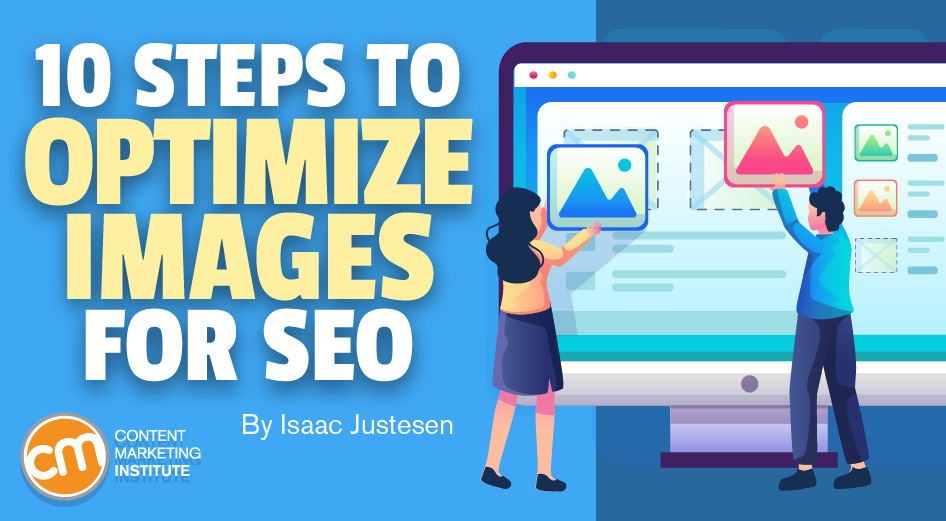
Optimize Images for SEO: Tips to Boost Your Website’s Performance. Discover easy tips to optimize images for SEO & boost your website’s performance. Make your site faster & more user-friendly with stunning visuals!
<<<<< Buy Now from Official offer >>>>>
Importance of Optimizing Images for SEO
Optimizing images for SEO is vital for website performance. Images contribute significantly to user experience. They can slow down loading times if they are not optimized properly. This may lead to a higher bounce rate. Search engines also prioritize faster sites in their rankings. Thus, optimizing images is essential for both your visitors & SEO.
Effective image optimization can take various forms. This includes resizing images, using the right file formats, & enhancing filenames. The goal is to ensure images do not compromise site speed. As a result, a well-optimized site leads to a better ranking in search engine results pages (SERPs).
On top of that, optimized images improve accessibility. This is beneficial for users with disabilities. Alt text helps screen readers describe images to users. Thus, ensuring that images are clear & concise can enhance your site’s usability. A balance between SEO & user experience often leads to lower bounce rates.
“Optimize Images for SEO: Tips to Boost Your Website’s Performance” – Markus Harvey DDS.
Choosing the Right Image Format
Image format plays a crucial role in SEO. There are several formats available. The most common include JPEG, PNG, GIF, & WebP. Each format has its use cases. JPEG is ideal for photographs. It offers good compression & quality. PNG works well for images that require transparency or have text. GIF is suitable for short animations but has limited color range.
WebP is newer & offers superior compression. It retains quality while reducing file size. Choosing the right format affects both loading times & image quality. A poorly chosen format can lead to unnecessarily large image files. This may harm page load speed.
Consider the following table to compare image formats:
| Format | Best Use | Pros | Cons |
|---|---|---|---|
| JPEG | Photographs | Good quality, small size | Lossy compression |
| PNG | Transparency, text | High quality | Larger file sizes |
| GIF | Animations | Simple animations | Low color depth |
| WebP | All-purpose | Superb compression | Limited browser support |
Image Resizing Techniques
Image resizing is an important step for optimization. Images should be resized to match display requirements. Oversized images can slow down page load times. This negatively impacts user experience & SEO.
One approach is to use HTML & CSS for responsive images. You can use the `` tag with appropriate width & height attributes. This allows images to adapt to different screen sizes. This is crucial for mobile-friendliness, a significant ranking factor.
Tools are available for bulk resizing images. Programs like Adobe Photoshop, GIMP, or online tools simplify this process. This helps maintain quality while reducing sizes. Resizing images before uploading them can save time during website maintenance.
Filenames & Alt Text Optimization
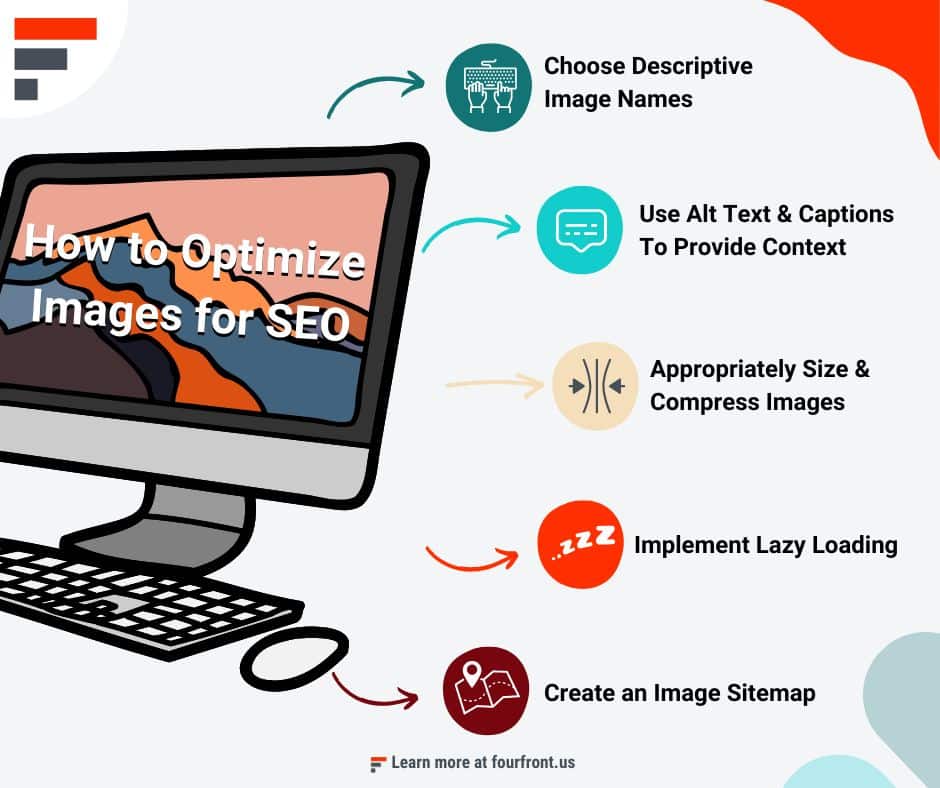
Filenames & alt text provide context for search engines. Use descriptive filenames to help search engines understand image content. Avoid generic names like “image1.jpg.” Instead, use specific names like “golden-retriever-playing-fetch.jpg.” This helps in search visibility.
Alt text is another critical area. Use it to describe the image. This is essential for users who cannot see images. It also helps search engines index the image correctly. Alt text should be concise yet descriptive. Aim for about 125 characters or less.
Incorporate target keywords creatively without keyword stuffing. This enhances SEO while making sense to readers. Good alt text can improve rankings in image search results. It is a simple yet effective tactic for optimizing images.
- Use descriptive filenames.
- Incorporate target keywords in alt text.
- Keep alt text concise.
- Avoid stuffing keywords.
Compressing Images for Better Performance
Image compression helps reduce file sizes effectively. This improves page loading speed without sacrificing quality. Software tools & online services can achieve this. Popular options include TinyPNG, JPEGmini, & ImageOptim.
Tweak compression settings to find the right balance. It is crucial to choose a method that doesn’t over-compress images. You want to maintain quality while reducing size. Use lossless compression for images where quality matters most.
Keep an eye on image quality after compression. Inspect images visually before finalizing edits. This ensures that customers have a good experience. Avoid excessive compression that leads to pixelation.
| Compression Tool | File Type Supported |
|---|---|
| TinyPNG | PNG, JPEG |
| JPEGmini | JPEG |
| ImageOptim | PNG, JPEG, GIF |
| Kraken.io | PNG, JPEG, GIF |
Using Responsive Images for Mobile Optimization
Responsive images are essential in today’s mobile-first world. They adjust automatically to different screen sizes. Use the `
Another strategy is to use the `srcset` attribute. This defines multiple resolution options for an image. It tells the browser which image to load based on the device’s capabilities. This reduces server load & delivers a better user experience.
Not implementing responsive images can lead to wasted bandwidth. This ultimately harms users on mobile devices. Adopting responsive images can improve load times, enhance usability, & aid in SEO.
Image Sitemaps & Indexing
Create an image sitemap to improve indexing. This helps search engines discover images on your site. Include image URLs in your XML sitemap. This provides search engines with critical information about your visual content.
To create an image sitemap, include the following fields:
- Image location
- Caption
- License
- Title
- Geo-location
Submit your sitemap via Google Search Console. Regular updates to your sitemap can help maintain accurate indexing. This increases the chances of images appearing in image search results. More visibility may lead to higher site traffic.
Monitoring Your Image Performance
Monitoring image performance helps assess effectiveness. Use tools like Google PageSpeed Insights. This tool measures page load speed & provides suggestions for improvement. This helps with image optimization techniques.
Regularly check your site’s analytics. Look for metrics related to bounce rate & average session duration. If users are leaving quickly, assess the images on your site. Adjust your SEO strategies & make necessary tweaks.
Consider A/B testing different images. This can determine which images engage users more. Engaging images often reduce bounce rates & improve overall performance.
<<<<< Buy Now from Official offer >>>>>
Features of Squirrly SEO
Squirrly SEO offers a range of features that enhance SEO efforts & improve website performance. The following highlights capture the essence of what Squirrly SEO provides:
- Lifetime access to Squirrly SEO.
- All future Business Plan updates.
- If Plan names change, deal will be mapped to the new Plan name with all accompanying updates.
- You must redeem your code(s) within 60 days of purchase.
- Ability to stack up to 10 codes.
- GDPR compliant for data protection.
- Available for new Squirrly SEO users & returning AppSumo As well as purchasers.
- Previous AppSumo As well as customers who purchased Squirrly SEO can buy more codes to increase their limits.
- Previous AppSumo customers will be grandfathered into any new features & feature limits.
- Top-ranking pages leaderboard to track progress.
- Unlimited page content marketing analytics for comprehensive insights.
- Unlimited content optimizations with SEO live assistant.
- Unlimited Google rank checks made through Google Search Console.
- SEO strategy guidance tailored to user needs.
- Pro SEO live assistant for real-time help.
- Access to copyright-free images for content creation.
- Blogging assistant & blogging audit tools.
- Pro audit suite version to ensure robust evaluations.
- Audit duplicate metas & on-demand SEO audits.
- Business SERP checker & Google rank for competitive analysis.
- Keywords you can rank for, providing actionable insights.
Challenges of Squirrly SEO
Users may encounter challenges when using Squirrly SEO. Understanding these hurdles is vital for maximizing the tool’s potential. Here are some common challenges:
- Some users find that not all features are comprehensively explained, leading to confusion on how to utilize them fully. Tutorials or improved documentation may bridge this gap.
- Compatibility issues with certain themes or plugins may arise, causing SEO functionality to underperform. Testing with various setups could help identify conflicts early.
- A potential learning curve exists for beginners unfamiliar with SEO concepts. Offering educational webinars or video tutorials might alleviate this challenge.
Price of Squirrly SEO
Squirrly SEO offers a structured pricing model that caters to different user needs. Below is a detailed pricing list:
| Pricing Plan | Price | Details |
|---|---|---|
| Single | $99 | Ideal for individual users. |
| Double | $198 | Perfect for small teams. |
| Multiple | $297 | Best for larger organizations with more extensive needs. |
Limitations of Squirrly SEO
While Squirrly SEO is feature-rich, there are several limitations users may face:
- Not all premium features are available, which can affect a user’s ability to implement a comprehensive SEO strategy.
- User experience may be hindered by a complex interface that could use simplification for better navigation.
- Some integrations with third-party tools need enhancement, causing frustration for users who rely on other software.
Case Studies
Real-life examples offer invaluable insights into how Squirrly SEO enhances website performance. The following instances demonstrate its impact:
Case Study 1: Small Business Growth
A local bakery decided to utilize Squirrly SEO for their website. They optimized images, which increased site loading speed. This change improved customer engagement & led to a 40% increase in online orders over six months.
Case Study 2: Blogging Success
A food blogger integrated Squirrly SEO into their content. They utilized the SEO live assistant & copyright-free images, boosting organic traffic by 60% within four months. This increase helped secure brand partnerships & sponsorships.
Case Study 3: E-commerce Revitalization
An e-commerce store struggled with its online visibility. After implementing Squirrly SEO tools, particularly the duplicate meta audits, the store optimized its listings. Sales rose by 50% after three months of consistent SEO application.
Recommendations for Squirrly SEO
Maximizing the benefits of Squirrly SEO requires strategic implementation. Here are tips users can consider:
- Leverage the SEO live assistant to receive real-time feedback while creating content.
- Use the audit features frequently to identify areas for improvement in your current SEO strategy.
- Incorporate copyright-free images into your posts to enhance visual appeal without potential legal issues.
- Explore integrating Squirrly SEO with other analytics tools for comprehensive data.
- Regularly check the leaderboard to benchmark your performance against competitors.
Best Practices to Optimize Images for SEO
Image optimization is crucial for enhancing website performance. Below are essential practices to consider:
- Use appropriate file formats: Select formats like JPG for photos, PNG for transparency, & SVG for logos.
- Compress images: Reduce file size without sacrificing quality to improve load times.
- Add descriptive filenames: Use relevant keywords in file names to enhance search visibility.
- Implement alt text: Write clear & concise descriptions for all images to improve accessibility.
- Create responsive images: Ensure images resize correctly for different devices.
Tools for Image Optimization
Utilizing tools can streamline image optimization. Here are some recommended options:
- ImageOptim
- TinyPNG
- Adobe Photoshop
- Compressor.io
- ShortPixel
The Role of Image SEO in Overall Strategy
Image SEO plays a pivotal role in driving traffic to websites. Here’s why it matters:
- Improved user experience: Fast-loading images enhance the browsing experience.
- Increased dwell time: Engaging visuals keep users on pages longer, reducing bounce rates.
- Higher search rankings: Optimized images contribute positively to overall SEO performance.
Top Image Optimization Techniques in 2023
Staying updated with techniques enhances image SEO strategies. Consider the following methods:
- Utilize next-gen formats like WebP for efficient loading.
- Implement lazy loading to defer off-screen images until scrolling.
- Review image context & relevance to accompanying text for better indexing.
- Regularly audit image SEO practices to keep pace with changes.
- Employ schema markup for images to enhance visibility in searches.
Visual Content & Engagement
Visual content significantly impacts user engagement. Here’s how to leverage it:
- Use infographics to convey complex information visually.
- Incorporate videos alongside images for enriched content.
- Engage users through slideshows & galleries to encourage interaction.
What is the importance of optimizing images for SEO?
Optimizing images for SEO enhances website performance by improving loading speed, which contributes to better user experience & higher search engine rankings.
How can I reduce the file size of my images?
You can reduce file size by using image compression tools, adjusting image dimensions, & selecting the appropriate file format, such as JPEG for photographs & PNG for graphics with transparency.
What file formats are best for web images?
The best file formats for web images include JPEG for photographs, PNG for images requiring transparency, & SVG for vector graphics, as they scale without losing quality.
Should I use alt text for my images?
Yes, using descriptive alt text for your images helps search engines understand the content, improves accessibility, & can enhance the ranking of your images in search results.
How do responsive images help with SEO?
Responsive images adjust to different screen sizes & resolutions, improving user experience & reducing bounce rates, which positively impacts SEO.
What is the recommended size for website images?
The recommended size for website images generally ranges from 1200 to 2000 pixels in width, depending on the layout, to ensure quality while maintaining fast loading times.
Can I use lazy loading for images?
Lazy loading defers the loading of images until they are in the viewport, enhancing page load speed & improving overall performance, which is beneficial for SEO.
How do I name my image files for SEO?
Image files should be named descriptively, using relevant keywords & hyphens to separate words, which helps search engines index them more effectively.
Does image gallery affect SEO?
An image gallery can affect SEO positively if optimized well; use proper alt attributes, file names, & ensure quick loading times to enhance visibility.
What is the significance of image sitemaps?
Image sitemaps help search engines discover & index images on your site, potentially improving their visibility in search results & driving more traffic.
How can image SEO impact website loading speed?
Optimized images reduce loading time, which contributes to better site performance, enhancing user experience & increasing the likelihood of higher rankings in search engines.
What tools can I use to optimize images?
Tools such as Adobe Photoshop, TinyPNG, & ImageOptim can help compress images & optimize them for web use efficiently.
Is there a limit to the number of images I should use on a page?
While there’s no strict limit, using too many images can slow down page loading. Balance is essential to maintain an appealing design & optimal performance.
How do I leverage social media with image SEO?
Using optimized images on social media can increase engagement, shares, & visibility, driving traffic back to your website & enhancing its overall SEO.
Can images improve my website’s overall content quality?
High-quality images can make content more engaging & visually appealing, increasing the time visitors spend on your site, which can positively influence SEO.
<<<<< Buy Now from Official offer >>>>>
Conclusion
In summary, optimizing your images is crucial for better SEO & improved website performance. By following these simple tips, you can ensure that your visuals help rather than hinder your site’s speed & visibility. Always use descriptive filenames, add alt text, & choose the right file format. Remember, the goal of Optimize Images for SEO: Tips to Boost Your Website’s Performance is not just about aesthetics; it’s about providing a seamless user experience. When your images load faster & are correctly indexed, you enhance your site’s chances of ranking higher in search engines. Start today & see the difference!
<<<<< Buy Now from Official offer >>>>>
Leave a Reply
You must be logged in to post a comment.