

SEO Analytics Insights: Boost Your Website Performance Today. Unlock the power of SEO Analytics Insights to enhance your site’s performance. Discover easy tips to boost your website performance today!
<<<<< Buy Now from Official offer >>>>>
What is SEO Analytics?
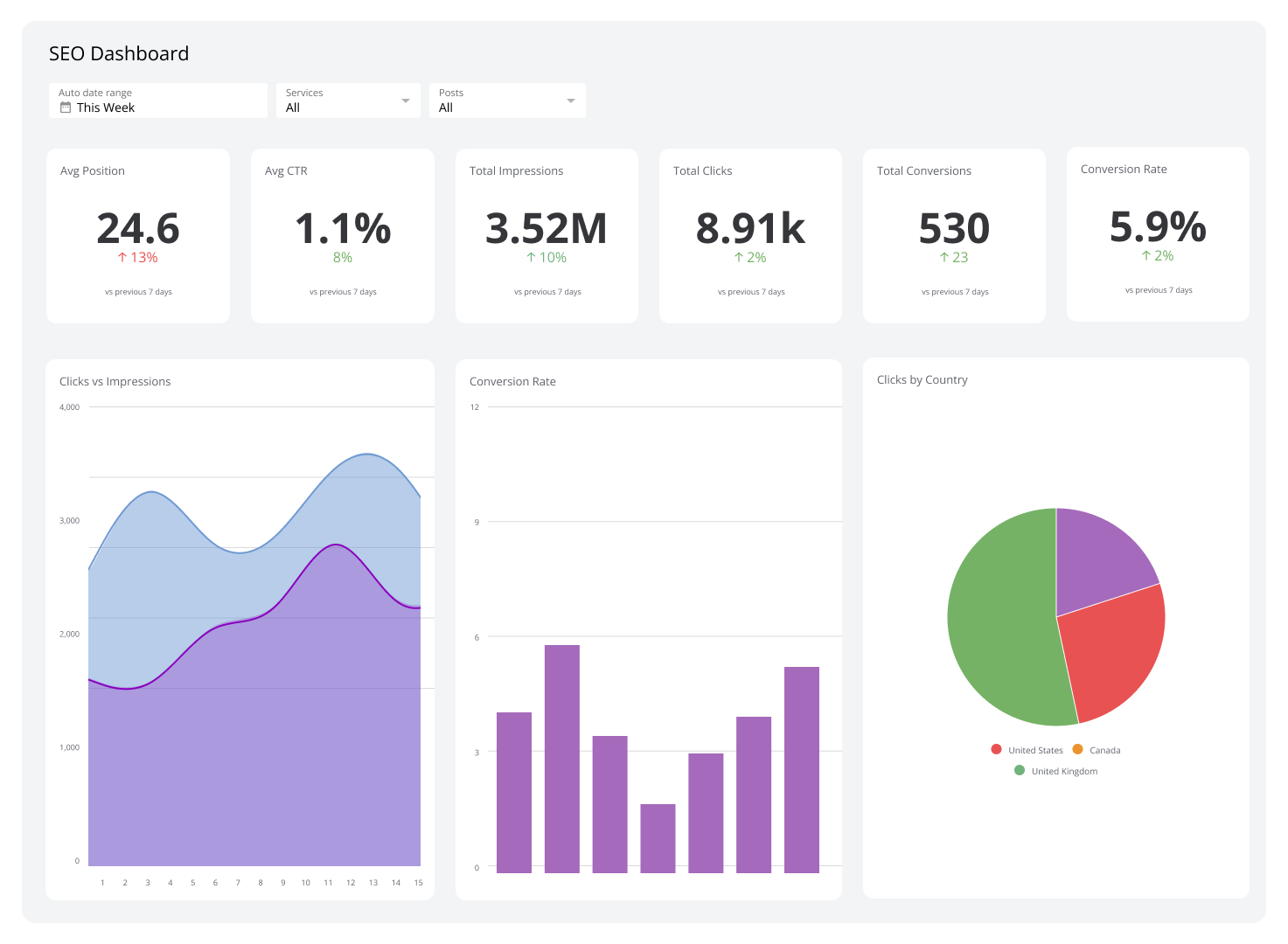
SEO Analytics Insights: Boost Your Website Performance Today starts with knowing what SEO analytics is. It’s the practice of collecting & analyzing data from various online platforms. This data helps understand how your website performs on search engines. SEO analytics tells you important metrics like traffic, page views, bounce rates, & keyword rankings. They help you make data-informed decisions. Knowing these analytics can lead you to strategies that improve your website’s visibility. Analyzing pages helps identify strengths & weaknesses. With correct insights, you can enhance user experience & engagement.
Importance of SEO Analytics
Why should you emphasize SEO analytics insights? Because they give you a clear view of your website’s performance. With SEO analytics, you know which strategies work. You can also identify areas needing improvement. Regular analysis helps keep your content fresh & appealing. And don’t forget, it aids in adjusting your tactics to meet audience needs. Without SEO analytics, you risk operating in the dark. You may not know where your traffic originates or which keywords drive visits. This information is crucial in developing successful SEO campaigns.
Key Metrics to Analyze
What metrics matter most? Here are the three primary metrics to consider:
- Organic Traffic: The number of visitors from search engines.
- Bounce Rate: The percentage of visitors leaving quickly.
- Conversion Rate: The percentage of visitors completing desired actions.
These metrics provide insights about user behavior. Organic traffic indicates how well your SEO strategies work. High bounce rates suggest content might not meet user expectations. Low conversion rates signal a need for better calls-to-action. Analyzing these metrics allows for targeted improvements.
Tools for SEO Analytics
Utilizing the right tools is essential. Below is a list of popular SEO analytics tools you should use:
- Google Analytics
- SEMrush
- Ahrefs
- Moz
Each tool offers specific features. Google Analytics provides traffic data & user behaviors. SEMrush allows for keyword tracking & competitive analysis. Ahrefs is excellent for backlink analysis. Moz delivers comprehensive SEO insights. Choosing the right tools improves your data interpretation.
Implementing Trackable Goals
Setting trackable goals boosts effectiveness. You need to define what success looks like for your website. Goals might include increasing traffic, lowering bounce rates, or raising conversion rates. Each goal should be specific & measurable. For instance, aim to increase organic traffic by 25% in three months. Using analytics tools, track progress. This allows you to see if you’re moving in the right direction.
Using Data to Inform Content Strategy
Data informs your content strategy effectively. Analyze which topics engage your audience. Identifying popular content helps in creating similar articles. If blog posts about “SEO techniques” get high traffic, produce more related content. This strategy can keep your audience coming back for more. Also, keyword data reveals what terms to rank for. Incorporate high-ranking keywords naturally in your content. Utilizing data enhances overall content performance.
Understanding User Experience
User experience (UX) is critical for SEO performance. Slow loading times & complicated navigation frustrate visitors. SEO analytics can reveal problem areas in UX. For example, high bounce rates on specific pages show users leave because of difficulty. To improve UX, consider optimizing page speed & simplifying layouts. Enhancing user experience encourages longer visits & higher conversion rates.
Social Signals & SEO
Social media plays a role in SEO performance. Active social sharing gives visibility to your content. SEO analytics indicate how your content is shared across platforms. If content shares exceed expectations, it’s performing well. This success may indirectly influence search engine rankings due to increased traffic. Encourage sharing through engaging content & easy-to-find social buttons.
A/B Testing for Optimization
A/B testing can enhance your SEO results. This involves creating two versions of a webpage to see which performs better. One variant might have a different headline while the other uses varied content. Analyzing user engagement on both versions helps identify which attracts more visitors. Implement changes based on insights gained from A/B testing. Regular testing ensures you’re using the most effective strategies.
Local SEO Analytics
Local SEO analytics cater to businesses with physical locations. These analytics focus on local search performance. Key metrics include local traffic, customer reviews, & search rankings. Google My Business provides insights into how local customers interact with your business. Track which keywords lead to visits in your area. This information helps adjust local SEO strategies for maximum effectiveness.
Picking the Right Keywords
Choosing the correct keywords is crucial. Use tools to discover high-volume terms relevant to your content. Analyze competitor keyword strategies for new ideas. Create a mixed list of long-tail & short-tail keywords. Every post should target at least one main keyword. Utilize these keywords naturally throughout your content. This practice will improve your search rankings.
Tracking Competitor Performance
Understanding your competition is vital. Analyze their SEO performance with available tools. Review their keywords, traffic sources, & content strategies. This information offers valuable insights into what works. Use it to find gaps in your strategy. By knowing your competitors, you can position yourself effectively in the market.
Adapting to Algorithm Changes
Search engines update algorithms frequently. Staying informed on changes is critical for success. Subscribe to SEO newsletters to get the latest updates. When a significant update occurs, assess your website’s performance. Adjust strategies according to the changes to maintain rankings. Flexibility is essential to stay competitive.
The Role of Backlinks
Backlinks significantly affect SEO performance. They show search engines that your content is credible. More backlinks often lead to higher rankings. Use SEO analytics to track your backlinks’ performance. Identify which referring domains bring the most traffic. Focus your outreach efforts on these domains. Building quality backlinks improves your website authority.
Content Freshness & Relevance
Keeping your content fresh supports good SEO performance. Regularly updating old posts with new information can boost rankings. SEO analytics can help you identify outdated content. Make a list of articles needing updates. Freshness is a ranking factor for search engines, so prioritize this.
Measuring SEO Success
Measuring success is essential for ongoing improvement. Use analytics over time to see patterns in your data. Adjust strategies based on insights gained. Setting regular review dates can ensure consistent evaluations. Assess whether your site meets set goals, then adapt accordingly.
SEO Analytics & Strategy Alignment
Aligning analytics with your overall strategy is crucial. Regularly assess whether your SEO practices support your business’s goals. Each decision should revolve around measurable outcomes. If a particular tactic doesn’t align with your goals, reconsider it. Using data as your guide keeps your strategy effective & relevant.
SEO analytics insights help refine strategies effectively. – Alysa Kulas
My Personal Experience with SEO Analytics
Throughout my journey, I focused on SEO analytics insights. I learned how vital they are for improving website performance. Initially, I struggled to grasp the metrics. Be that as it may, using tools made things clearer. Gradually, I started applying what I learned. This transformation led to improved traffic & engagement.
Regular Reviews & Adjustments
Consistency is key in SEO analytics. Schedule regular site performance reviews. Analyze metrics from tools like Google Analytics. Check monthly goals & examine progress. This ongoing review ensures that your strategy evolves. Continuous adjustments lead to lasting success in SEO.
Understanding SEO Trends
Being aware of changing SEO trends is necessary. Regularly study industry reports & resources. Adjust your tactics based on new insights. Following trends helps you stay competitive. If voice search becomes prominent, consider optimizing for it. Keeping your site aligned with trends ensures long-term success.
Creating Actionable Insights
Turning data into actionable insights can transform your SEO approach. After analyzing metrics, create an action plan. List down tactics to try based on your findings. Actionable insights should guide your strategies effectively. Focus on critical areas to tackle based on the data.
Building an SEO Framework
An effective SEO framework is vital. Start by establishing clear goals. Create strategies based on metrics & analytics. Regularly monitor your performance against these goals. Building this framework ensures your SEO practices lead to continuous improvement.
Communication & SEO Analytics
Effective communication is important when sharing SEO insights. If you work in a team, present findings clearly. Sharing wisdom with stakeholders can shape your strategy positively. Regular updates ensure everyone stays informed about performance & goals.
Conclusion on SEO Analytics Insights
In summary, the information acquired from SEO analytics insights is indispensable. Regularly analyze critical metrics & adapt accordingly. Implementing actionable insights can boost your website’s performance significantly. Use the right tools & follow established practices. All these steps will lead to improved SEO results.
<<<<< Buy Now from Official offer >>>>>

Feature of Squirrly SEO
Squirrly SEO offers a comprehensive suite of tools to optimize your website for search engines. Users benefit from features designed to enhance SEO performance & improve content marketing strategies. The platform is built for all levels of expertise, whether you’re a beginner or an advanced user. Here are some key features:
- Lifetime access to Squirrly SEO
- All future Business Plan updates
- Plan name changes are mapped for all updates
- Code redemption must occur within 60 days of purchase
- Stack up to 10 codes for enhanced access
- GDPR compliant functionalities
- Available for new users & returning AppSumo As well as purchasers
- Previous AppSumo As well as customers can buy additional codes
- Grandfathering into new features for previous AppSumo customers
- Top-ranking pages leaderboard
- Unlimited page content marketing analytics
- Unlimited content optimizations with SEO live assistant
- Unlimited Google rank checks via Google Search Console
- Strategic SEO recommendations
- Pro SEO live assistant support
- Access to copyright-free images
- Blogging assistant & auditing tools
- Pro audit suite version for comprehensive reviews
- Audit capabilities for duplicate metas
- On-demand SEO audits available
- Business SERP checker & Google rank insights
- Keyword recommendations for rankability
Challenges of Squirrly SEO
While Squirrly SEO provides a range of tools, users face challenges that may hinder their experience. Some users report limitations in specific functionalities. For instance, the platform might not integrate seamlessly with certain website builders, leading to compatibility issues. And another thing, there could be a learning curve, especially for individuals new to SEO practices.
User feedback indicates that some advanced features might require more in-depth tutorials. Without adequate guidance, users may struggle to utilize these tools effectively. Recommendations include enhancing documentation or video tutorials for complex features to improve user experience significantly.
Another noted challenge is the performance of real-time analytics, which can sometimes lag. Users have expressed concerns about the reliability of data when making quick decisions. To mitigate this, it is advisable to supplement Squirrly SEO with other analytics platforms for comprehensive insights.
Price of Squirrly SEO
Squirrly SEO’s pricing model is designed to cater to various needs. Below is a breakdown of the pricing tiers:
| Plan Type | Price |
|---|---|
| Single | $99 |
| Double | $198 |
| Multiple | $297 |
Each pricing tier provides users with valuable features to boost their website’s SEO capabilities. Potential buyers can pick a plan that suits their requirements depending on the scale of their business & the extent to which they aim to optimize their content.
Limitations of Squirrly SEO
While Squirrly SEO offers many advantageous features, limitations exist. One significant area is the depth of customer support, where some users have pointed out slow response times. Users expect prompt responses, especially when handling urgent SEO tasks.
Comparatively, some competitors offer more extensive customer support & training resources, which may leave Squirrly SEO in a weaker position. On top of that, certain advanced SEO features might not be as strong as those in competing platforms, which can affect the overall effectiveness of campaigns.
And another thing, the user interface, while straightforward, can become cluttered with numerous functionalities. For users who prefer a minimalist view, this can be somewhat overwhelming. Thus, improvements in the UI/UX design may significantly enhance user satisfaction.
Case Studies
Numerous businesses have experienced improvements using Squirrly SEO. A boutique e-commerce store reported a 50% increase in organic traffic after just three months of utilizing its tools. The store attributed the success to better keyword targeting & content optimization features.
Another notable example involves a blog that focused on travel advice. After employing Squirrly’s SEO live assistant & audit features, the blog gained a significant boost in visibility, climbing to the first page of Google search results for several target keywords.
These case studies illustrate Squirrly SEO’s effectiveness. Users who leverage its comprehensive toolset can overcome challenges & enhance their online presence effectively.
Recommendations for Squirrly SEO
To maximize the benefits of Squirrly SEO, users should consider the following strategies:
- Utilize the SEO live assistant during content creation for real-time feedback.
- Regularly check the top-ranking pages leaderboard for competitive insights.
- Combine Squirrly SEO with other analytics tools for a broader perspective.
- Engage with fellow users in online communities for shared tips & experiences.
- Continue learning through Squirrly’s available resources to enhance SEO knowledge.
- Regularly conduct audits to keep content optimized & relevant.
- Stack up codes wisely to manage future needs effectively.
Tools That Complement Squirrly SEO
Pairing additional tools with Squirrly SEO can significantly enhance website performance:
- Google Analytics
- SEMrush
- Ahrefs
- Yoast SEO (for WordPress users)
- BuzzSumo (for content research)
These tools complement Squirrly SEO’s offerings by providing deeper insights, broader keyword research, & comprehensive content strategies.
Maximizing Squirrly SEO Features
Users can take advantage of several features within Squirrly SEO to achieve optimal results:
- Capitalize on unlimited Google rank checks to monitor performance.
- Regular content optimization sessions can fine-tune overall strategy.
- Document analytics on content marketing for a clear ROI.
- Utilize the blogging assistant for fresh ideas & enhanced engagement.
- Incorporate copyright-free images from the library to enrich content.
Emphasizing an integrated approach with Squirrly SEO will facilitate improved results across diverse SEO initiatives.

What is SEO analytics?
SEO analytics refers to the practice of collecting & analyzing data related to website performance in search engines. It helps identify how well a website is performing & what areas need improvement.
Why is SEO analytics important for website performance?
SEO analytics is crucial for website performance as it provides insights into visitor behavior, traffic sources, & keyword rankings. This information can guide optimization efforts & enhance overall visibility.
What tools are commonly used for SEO analytics?
Common tools used for SEO analytics include Google Analytics, Google Search Console, SEMrush, & Ahrefs. These tools offer valuable metrics to assess & improve website performance.
How can I use SEO analytics to boost my website traffic?
You can use SEO analytics to boost website traffic by analyzing keyword performance, optimizing underperforming pages, & understanding user behavior. This data helps focus your efforts on what works best.
What key metrics should I focus on in SEO analytics?
Key metrics to focus on include organic traffic, bounce rate, average session duration, page views, & conversion rates. These metrics provide insight into how users engage with your site.
How often should I analyze my SEO data?
It’s recommended to analyze your SEO data regularly, at least once a month. Be that as it may, for websites undergoing significant changes or campaigns, more frequent analysis may be beneficial.
Can SEO analytics help with content strategy?
Yes, SEO analytics can significantly aid in content strategy by revealing which topics & formats resonate with your audience. This allows for more targeted & effective content creation.
What is the difference between on-page & off-page SEO analytics?
On-page SEO analytics focuses on elements within your website, such as content quality & keyword usage. Off-page SEO analytics looks at external factors, like backlinks & social signals, that influence your site’s authority.
How does SEO analytics impact marketing strategies?
SEO analytics informs marketing strategies by providing insights into target audiences & effective channels. This allows marketers to allocate resources & tailor campaigns for better results.
What actions can I take based on SEO analytics insights?
Actions based on SEO analytics insights can include optimizing content, improving site speed, enhancing user experience, & targeting new keywords to improve visibility & engagement.
Is it necessary to hire an expert for SEO analytics?
While it’s not necessary to hire an expert for SEO analytics, having someone with experience can greatly enhance the effectiveness of your strategies. Be that as it may, many tools provide user-friendly interfaces that facilitate analysis.
<<<<< Buy Now from Official offer >>>>>
Conclusion
In conclusion, applying the right SEO Analytics Insights can significantly enhance your website’s performance today. By understanding key metrics & user behavior, you can make informed decisions to improve your site. Remember, it’s not just about attracting visitors, but also about engaging them effectively. Keep analyzing your data regularly & adapt your strategies as needed. With the right tools & insights, you can boost your online presence & achieve your goals. So, start exploring these SEO Analytics Insights & watch your website flourish. Don’t wait improve your website’s performance today!
<<<<< Buy Now from Official offer >>>>>
Leave a Reply
You must be logged in to post a comment.