

SEO Keyword Planner: Boost Your Rankings with Smart Keyword Research. Unlock the power of SEO Keyword Planner! Discover how to boost your rankings & improve traffic with smart keyword research today!
<<<<< Buy Now from Official offer >>>>>
What is the SEO Keyword Planner?
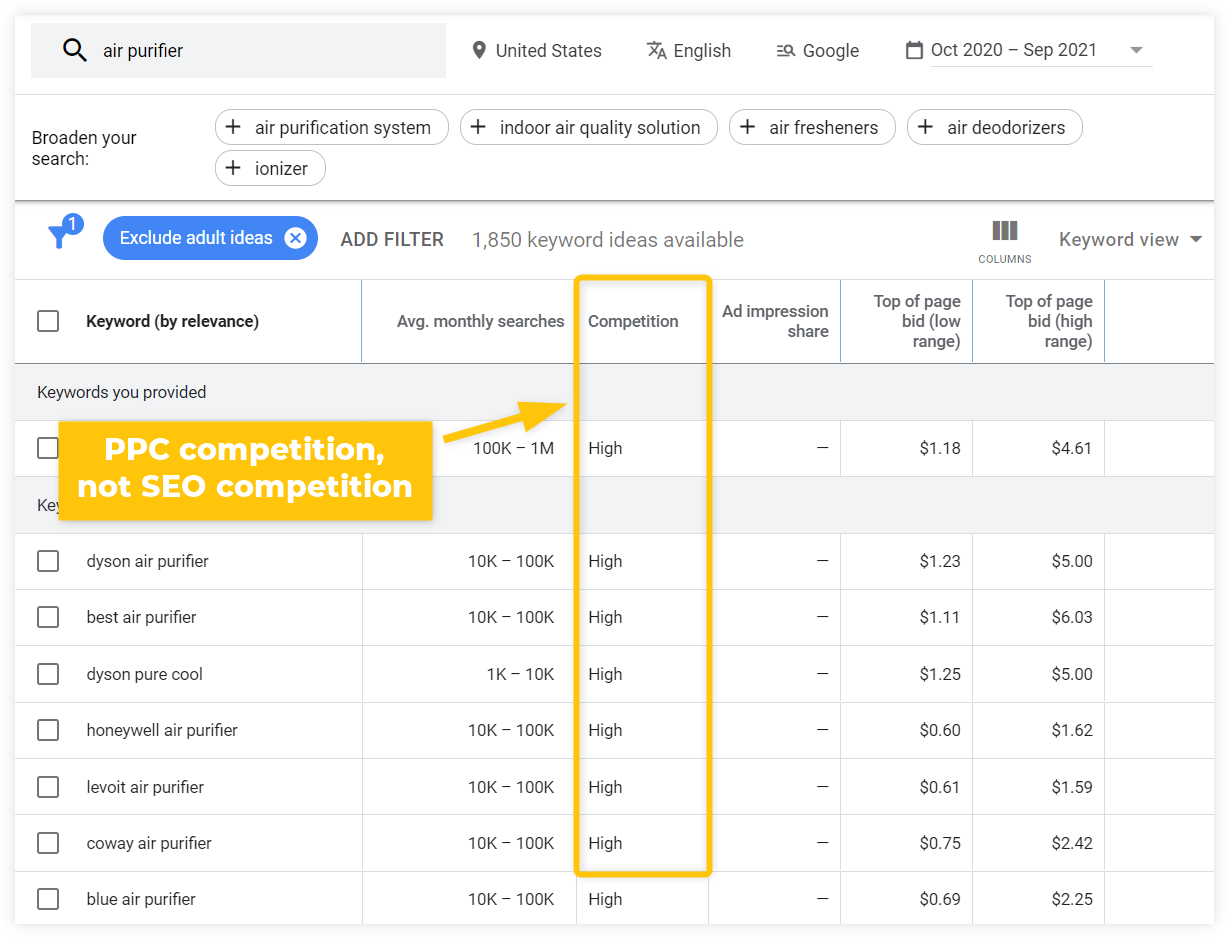
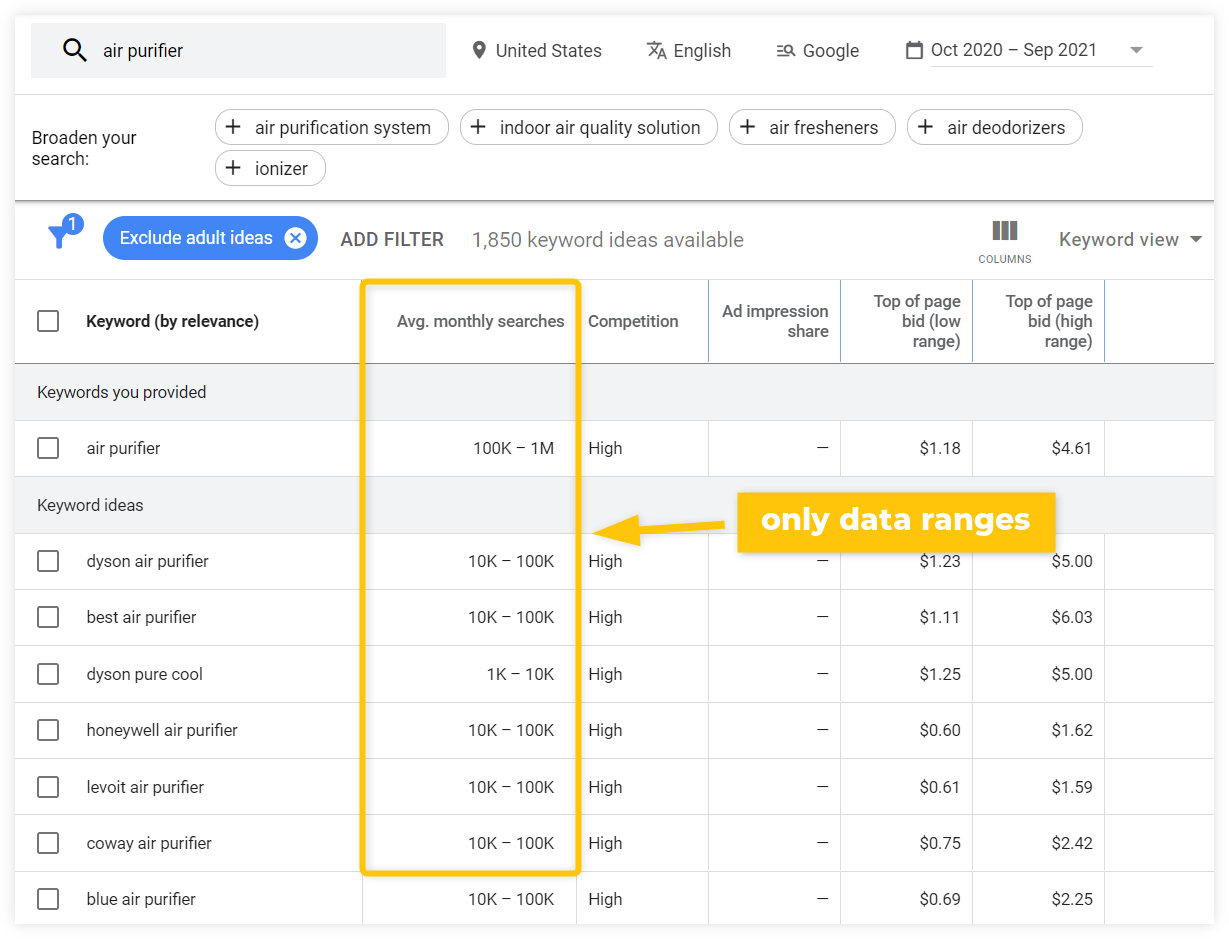
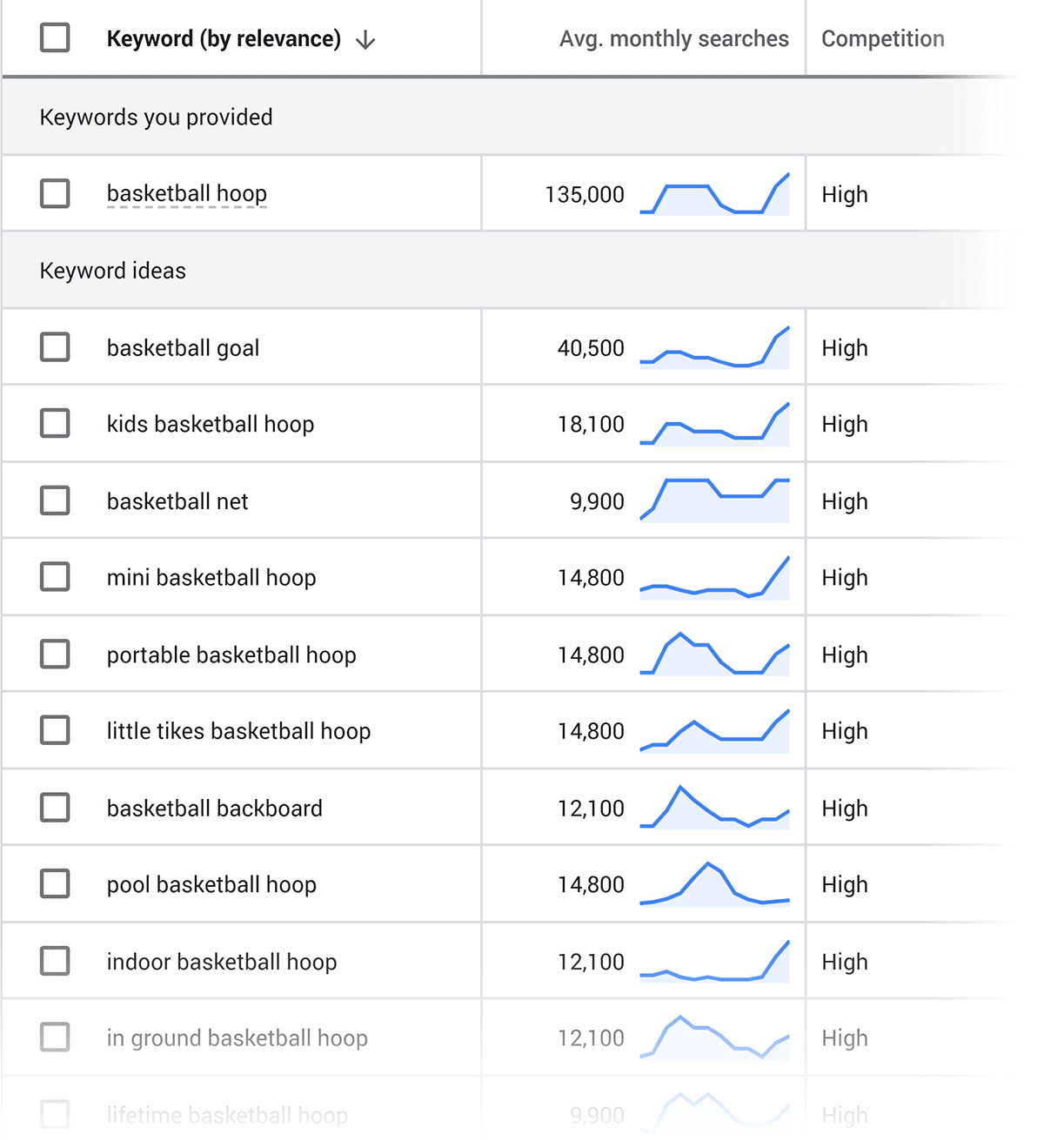
The SEO Keyword Planner is a tool that helps users identify relevant keywords for their content. It is part of Google Ads, & it provides essential data such as search volume, competition, & suggested bidding prices. This information helps marketers create content that ranks well on search engines. Users can enter a seed keyword, & the tool will generate a list of related keywords. This list often includes both long-tail & short-tail keywords. Long-tail keywords are phrases that are more specific. Short-tail keywords are broader & usually have higher search volumes.
The data provided allows users to make informed choices about which keywords to target. With some practice, anyone can enhance their SEO strategy using this tool. Keyword research is vital for all online content. It helps in aligning content with user intent. On top of that, identifying the right keywords leads to higher rankings, increased traffic, & ultimately, better conversions.
Benefits of Using the SEO Keyword Planner
Using the SEO Keyword Planner brings many advantages. Firstly, it improves keyword selection. The tool shows search volumes & trends, helping users choose the best keywords to focus on. This aspect alone is invaluable. Secondly, it saves time. Rather than guessing which keywords may work, users receive precise data. This shortens the research phase significantly.
Another major benefit is competition analysis. The planner displays how competitive each keyword is. Users can review this aspect to decide if they can realistically rank for a particular keyword. And another thing, advertising insights are useful. For those who might run PPC campaigns, the planner highlights suggested bids based on competition. This aspect aids users who want a combined approach to SEO & paid advertising.
- Improves keyword selection
- Saves time on research
- Offers competition analysis
- Provides advertising insights
How to Access the SEO Keyword Planner
Accessing the SEO Keyword Planner is straightforward. Users first need a Google account. Once logged in, they can go to Google Ads. The planner can be found under the “Tools & Settings” section. This area is located in the upper right corner of the screen. Click on “Planning” to see the options, including the Keyword Planner.
After clicking, users will see two options: “Discover new keywords” & “Get search volume & forecasts.” Selecting “Discover new keywords” lets users enter seed keywords. This action generates a list of keyword suggestions. Users can filter the results further. They can narrow down options by location, language, & search networks, making research more relevant.
| Step | Action |
|---|---|
| 1 | Login to Google Account |
| 2 | Visit Google Ads |
| 3 | Click on Tools & Settings |
| 4 | Select Keyword Planner |
How to Perform Keyword Research with the SEO Keyword Planner
To perform effective keyword research with the SEO Keyword Planner, follow a clear process. Start by entering seed keywords. These are the primary terms related to your business. The tool will generate a wide array of suggestions. After obtaining the list, review the metrics carefully. Pay attention to search volume & competition level.
Next, sort keywords based on different criteria. Users can search for low-competition keywords with substantial volume. This strategy often yields great results. Users can also consider user intent. Some keywords may indicate what the searcher is seeking. Understanding this concept helps craft content that addresses user needs.
- Enter seed keywords
- Review generated keyword suggestions
- Analyze search volume & competition
- Sort based on criteria like intent
Identifying Long-Tail vs. Short-Tail Keywords
When using the SEO Keyword Planner, it is crucial to differentiate between long-tail & short-tail keywords. Short-tail keywords are broad. They often consist of one or two words. For example, “shoes.” Such keywords generally have high search volume but also high competition.
On the other hand, long-tail keywords are more specific phrases. They usually contain three or more words, such as “best running shoes for flat feet.” These keywords often have lower competition & higher conversion rates. Targeting long-tail keywords can be more rewarding for specific queries. They attract users with specific needs.
| Type | Example | Characteristics |
|---|---|---|
| Short-Tail | Shoes | High volume, high competition |
| Long-Tail | Best running shoes for flat feet | Lower volume, targeted |
Using Keyword Ideas for Content Strategy
Be sure to prioritize user intent when creating content. If a keyword suggests a purchasing intent, it’s important to guide users through the buying process. Similarly, keywords focused on informational queries should provide valuable information. Always maintain a focus on creating quality content. Good content will naturally incorporate relevant keywords.
- Use keywords for blog topics
- Incorporate into videos & social media
- Align content with user intent
- Focus on quality content creation
Tracking Keyword Performance
Tracking keyword performance is vital for ongoing SEO efforts. Users need to monitor how well their chosen keywords are performing. Using Google Analytics alongside the SEO Keyword Planner enhances this process. Google Analytics shows how many visitors come from specific keywords. Users can assess which keywords drive traffic & conversions.
And another thing, reviewing keyword rankings in Google Search Console is essential. This tool provides insight into how keywords rank over time. If a keyword trends downward, an adjustment may be required. Adapting your strategy based on performance data leads to continuous improvement. Regular keyword reviews will enhance overall website visibility.
| Tool | Purpose |
|---|---|
| Google Analytics | Track traffic from keywords |
| Google Search Console | Monitor keyword rankings |
Common Mistakes in Keyword Research
Many users make mistakes while using the SEO Keyword Planner. Common errors include focusing too much on high-volume keywords. While high volumes can attract traffic, they often come with lots of competition. Ignoring long-tail keywords is another frequent mistake. These keywords often attract targeted traffic, leading to better conversion rates.
And don’t forget, neglecting user intent can hinder results. Ensure that your content meets the needs behind the search queries. Lastly, some users opt to skip the keyword analysis process. Without data, content becomes less relevant & risks being unknown. Avoid these mistakes to improve your SEO strategy.
- Focusing solely on high-volume keywords
- Ignoring long-tail keyword opportunities
- Neglecting user intent in content
- Skipping keyword analysis step
“SEO Keyword Planner: Boost Your Rankings with Smart Keyword Research is fundamental for anyone serious about digital marketing.” – Prof. Bonnie Buckridge MD
Combining Other Tools with the SEO Keyword Planner
While the SEO Keyword Planner is powerful, combining it with other tools enhances keyword research. Tools like SEMrush, Ahrefs, or Moz provide additional insights. These platforms often include backlink analysis, competitor research, & more comprehensive keyword insights. Using multiple tools allows for a broader view of the SEO landscape.
For example, Ahrefs can show which keywords are driving traffic to competitor sites. By identifying gaps in your strategy, you can tackle those missed opportunities. Similarly, Moz & SEMrush provide detailed keyword analysis & trends. They help validate & enrich data obtained from the Keyword Planner. A combined approach yields better results. Users can create a strategy based on comprehensive data, ensuring higher rankings!
| Tool | Key Features |
|---|---|
| SEMrush | Keyword & competitor analysis |
| Ahrefs | Backlink & keyword data |
| Moz | In-depth keyword tracking |
Case Study: My Experience with Keyword Planner
Using the SEO Keyword Planner, I successfully boosted my website’s rankings. Initially, my traffic was stagnant due to poor keyword selection. After utilizing the tool, I discovered low-competition, high-volume keywords. This research led to a series of blog posts that targeted those keywords. Gradually, my traffic increased significantly. Tracking the performance confirmed improvements. This experience proved that smart keyword research is imperative.
Tips to Maximize the Value of SEO Keyword Planner
To maximize the value of the SEO Keyword Planner, follow these tips. First, always explore suggested keywords in detail. This aspect can lead to surprising finds. Second, keep track of seasonal trends. Some keywords fluctuate based on seasons or events. Timing your content can enhance visibility.
Utilize all available filters to narrow down data. This can result in finding keywords that are more relevant to your niche. Always revisit your keyword list regularly. The digital landscape changes, & so do user interests. Regular updates to your keyword strategy can keep you ahead of the competition.
- Explore suggested keywords in detail
- Check for seasonal trends
- Narrow down data with filters
- Regularly update keyword list
Conclusion: The Importance of A Smart Keyword Strategy
Implementing a smart keyword strategy is essential for SEO success. The SEO Keyword Planner is an invaluable tool. Regular usage will help improve rankings & drive traffic. By understanding how to research keywords effectively, you can stay ahead of competitors. Focus on user intent & content quality. This approach will lead to long-lasting results.
<<<<< Buy Now from Official offer >>>>>
Squirrly SEO Features
Squirrly SEO offers a variety of features that aid in boosting your website’s SEO performance. Users gain lifetime access alongside all future updates under the Business Plan. If the plan name changes, the offer will automatically adjust to include new features & updates. Users must redeem codes within sixty days from purchase, & they can stack up to ten codes. This product is GDPR compliant, suitable for both new users & returning AppSumo As well as purchasers. Previous AppSumo As well as customers can acquire additional codes to increase their limits, while prior AppSumo customers will enjoy grandfathered access to new features.
Core Features of Squirrly SEO
- Top-ranking pages leaderboard
- Unlimited page content marketing analytics
- Unlimited content optimizations with SEO live assistant
- Unlimited Google rank checks via Google Search Console
- SEO strategy recommendations
- Pro SEO live assistant
- Copyright-free images
- Blogging assistant & blogging audit
- Pro audit suite version including duplicate metas audits
- On-demand SEO audits
- Business SERP checker & Google rank analytics
- List of keywords you can rank for
Challenges of Squirrly SEO
Despite its numerous benefits, Squirrly SEO has some challenges. Some users report limitations around certain features, which could affect overall user experience. Compatibility issues can arise, especially when integrating with third-party tools or plugins. The learning curve may also be steep for those unfamiliar with SEO principles.
User Feedback on Challenges
Users often mention their struggles with navigating the extensive range of features. Some express confusion over utilizing the SEO strategy tools effectively. Feedback suggests that additional tutorials & resources could provide much-needed guidance. Streamlining the interface could enhance user experience & allow for easier access to features.
Possible Solutions
To overcome these challenges, consider dedicating time to explore all available tools thoroughly. Engaging with community forums or user groups can provide insights & tips from fellow users. Squirrly SEO support may also provide assistance for specific issues encountered during use.
Price of Squirrly SEO
The pricing structure for Squirrly SEO offers various options tailored to different needs. Below is a breakdown of the pricing tiers:
| License Type | Price |
|---|---|
| Single | $99 |
| Double | $198 |
| Multiple | $297 |
Limitations of Squirrly SEO
Squirrly SEO, while beneficial, does showcase several limitations. Compared to competitors, it may lack advanced reporting features, which help dissect data in-depth. Some users feel the interface can seem cluttered, making navigation cumbersome. And another thing, feature requests & updates may take time to implement, leading to temporary frustration for users awaiting enhancements.
Comparison with Competitors
When compared with similar products, Squirrly SEO might not have comprehensive backlink analysis tools. This can hinder users looking for a single solution for diverse SEO needs. And don’t forget, some users experience difficulties with technical support responsiveness.
Areas for Improvement
Improving user interface design could significantly enhance usability. More frequent software updates & the integration of user-requested features would appeal greatly to existing customers. And another thing, enhancing the support service could foster a more positive user experience overall.
Case Studies
Examining real-world applications of Squirrly SEO provides insight into its effectiveness. Various businesses have utilized this tool to enhance their online presence drastically.
Case Study 1: E-commerce Success
An e-commerce site faced challenges with organic traffic. By employing Squirrly SEO, they optimized key product pages & implemented the live SEO assistant for continuous feedback. Within three months, organic traffic increased by over 200%, leading to significant revenue growth.
Case Study 2: Blogging Breakthrough
A personal blog focused on travel utilized Squirrly SEO to refine post strategies. They accessed unlimited content optimizations & monitored Google ranks effectively. As a result, their content moved from page three to page one for competitive keywords, doubling site visits & engagement.
Case Study 3: Local Business Enhancement
A local service company used Squirrly SEO to enhance their search visibility within their area. Employing the business SERP checker helped identify keywords that led to better local rankings. Subsequently, they experienced a notable uptick in client inquiries, solidifying their presence in the local market.
Recommendations for Squirrly SEO
Maximizing the benefits of Squirrly SEO requires strategic utilization of its features. Here are some recommendations to achieve optimal performance:
Utilize the SEO Live Assistant
Always make use of the Pro SEO live assistant. This feature provides real-time optimization suggestions, ensuring high-quality content. Users can receive on-the-fly advice, assisting in improving keyword density & overall SEO strategy.
Engage with Community & Resources
Participating in Squirrly support groups can offer peer insights & shared experiences. These communities often contain valuable tips & strategies that enhance functionality.
Regularly Monitor Analytics
Consistently track your page performance using unlimited content marketing analytics. Understanding what works will help refine ongoing strategies for better results. New insights can lead to innovative approaches for your content.
Maximizing Keyword Research
SEO Keyword Planner: Boost Your Rankings with Smart Keyword Research can transform your online presence. To optimize your keyword strategy:
Thorough Keyword Analysis
Utilize tools to identify relevant keywords with high search volumes. This includes long-tail keywords that may convert better than generic terms. By honing in on specific phrases, you can significantly improve your chances of ranking higher.
Competitor Keyword Insights
Analyzing competitor keywords can reveal gaps in your strategy. This information can inform your content creation & link-building efforts. Adapting successful keywords used by competitors can also offer a quick boost to your rankings.
Long-term Keyword Strategy
Develop a long-term strategy focused on consistent keyword optimization. Regularly update content to include fresh keywords & trends. Staying adaptable ensures you maintain your rankings amid algorithm changes.
Essential Strategies for Continued Success
Continuing success requires dedication & adaptability. Here are strategies to ensure you remain competitive in the SEO landscape:
Continuous Learning
The SEO landscape changes frequently, demanding continuous learning. Follow industry blogs & connect with SEO practitioners for the latest insights. Staying informed allows for timely adjustments to your strategies.
Analyze Data Regularly
Regular data analysis can uncover new opportunities for optimization. By examining trends in traffic & engagement, you can pivot strategies to enhance visibility. Effective use of analytics tools is crucial for this practice.
Content Diversification
Diversifying content types can engage broader audiences. Consider using videos, infographics, or podcasts alongside traditional blog posts. This variety can enhance user experience, keeping visitors on-site longer, which positively impacts rankings.
What is the SEO Keyword Planner?
The SEO Keyword Planner is a tool used for keyword research that helps you find relevant keywords to target for your website or content strategy. It provides insights into search volume, competition, & trends associated with keywords.
How can the Keyword Planner help improve my SEO strategy?
The Keyword Planner assists in identifying keywords with high search volume & low competition, which can help optimize your content to rank higher in search engine results.
Can I use the Keyword Planner for content marketing?
Yes, the Keyword Planner is useful for content marketing as it allows you to discover keywords that resonate with your target audience, enabling you to create relevant content that drives traffic.
Is the Keyword Planner free to use?
Yes, the Keyword Planner is available for free; Be that as it may, certain features may require you to have a Google Ads account in order to access full functionality.
What type of data does the Keyword Planner provide?
The tool offers data such as monthly search volume, trends over time, competition levels, & suggested bid estimates for paid ads associated with each keyword.
How often should I use the Keyword Planner?
It is beneficial to use the Keyword Planner regularly to keep your keyword strategy up to date & to discover new opportunities as search trends change.
Can I find long-tail keywords using the Keyword Planner?
Yes, the Keyword Planner is effective in identifying long-tail keywords, which are phrases that are more specific & typically have lower competition, making them easier to rank for.
How do I access the Keyword Planner?
You can access the Keyword Planner through your Google Ads account. Once logged in, navigate to the ‘Tools & Settings’ section to find the ‘Planning’ tools.
What is the difference between organic & paid keywords?
Organic keywords are terms that users search for which bring up unpaid search results, while paid keywords are those for which advertisers bid to show advertisements in response to the search.
Can the Keyword Planner assist in keyword grouping?
Yes, the tool can help you group related keywords effectively, allowing you to create more targeted ad campaigns or content around specific themes.
How accurate is the search volume data from the Keyword Planner?
The search volume data provided by the Keyword Planner is an estimate & can fluctuate based on various factors, such as location & seasonal trends.
Is it important to consider competition level in keyword selection?
Yes, understanding the competition level is crucial as it helps determine how difficult it may be to rank for specific keywords, allowing you to choose keywords that fit your resources & capabilities.
Can I export the data from the Keyword Planner?
Yes, the Keyword Planner allows you to export keyword data to a CSV file, making it convenient to analyze your findings in a spreadsheet program.
How do search trends influence my keyword strategy?
Search trends can identify seasonal or emerging topics relevant to your audience, allowing you to adjust your keyword strategy & content accordingly to capitalize on increased interest.
What are some common mistakes to avoid when using the Keyword Planner?
Common mistakes include neglecting to consider competition levels, focusing solely on high-volume keywords without relevance, & failing to update keyword strategies as trends change.
Can I use the Keyword Planner for local SEO?
Yes, it’s effective for local SEO as you can find keywords that are specifically related to your geographical area & audience, helping you target customers in your vicinity.
<<<<< Buy Now from Official offer >>>>>
Conclusion
In summary, using the SEO Keyword Planner can significantly enhance your online visibility. By focusing on smart keyword research, you’ll discover the terms your audience is searching for. This helps you create content that meets their needs, ultimately leading to improved rankings. Remember, effective keyword usage not only attracts visitors but also keeps them engaged. So, take the time to explore this tool & integrate its insights into your strategy. With the right approach, you can boost your rankings & make your online presence more impactful. Happy optimizing!
<<<<< Buy Now from Official offer >>>>>
Leave a Reply
You must be logged in to post a comment.